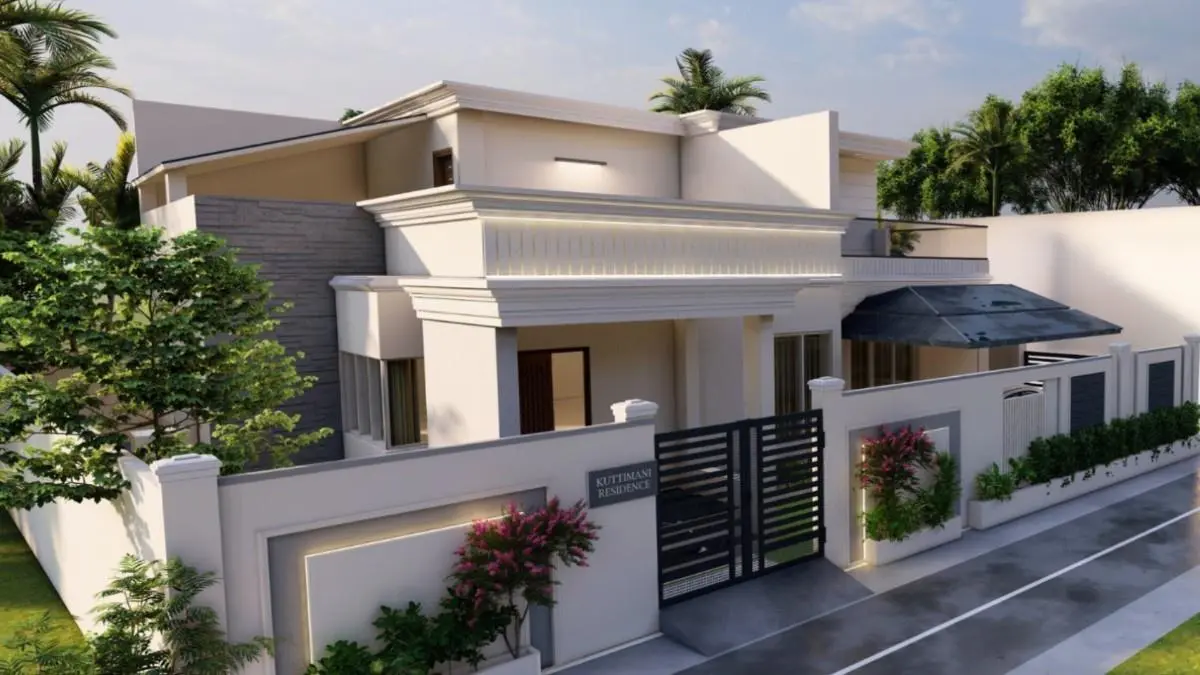
The boundary wall is one of the first parts of a residential property that people notice from the outside. It defines the property, creates a visual separation from surrounding spaces and contributes to the overall appearance of the house.
However, homeowners often focus more on painting the main building and overlook the compound wall.
Over time, boundary walls can develop faded coatings, dirt marks, uneven patches and visible surface damage. A carefully planned painting project can refresh the appearance of the property and create a more coordinated exterior design.
Whether you have a small independent house, a large residential property or a modern duplex, selecting the right boundary wall colours can make a noticeable difference.
This guide explores boundary wall painting ideas, modern colour combinations, decorative patterns, paint selection and practical maintenance considerations.
WHY IS BOUNDARY WALL PAINTING IMPORTANT?
Boundary walls are continuously exposed to outdoor conditions.
Depending on their location, they may experience:
- Direct sunlight.
- Rainfall.
- Dust.
- Pollution.
- Moisture.
- Temperature changes.
- Physical contact and surface stains.
An appropriate exterior coating can help maintain the wall's appearance and provide a suitable protective layer.
Boundary wall painting can also help:
- Refresh an older property.
- Improve the appearance of the entrance.
- Coordinate the compound wall with the house exterior.
- Highlight architectural details.
- Create a more organised outdoor appearance.
- WHITE AND CREAM BOUNDARY WALL COLOUR COMBINATIONS
White and cream are versatile choices for residential compound walls.
They create a clean appearance and can complement different architectural styles.
Possible combinations include:
- White with charcoal grey.
- Cream with dark brown.
- Ivory with beige.
- Off-white with muted grey.
These combinations are useful when homeowners prefer a simple and understated exterior.
- GREY AND CHARCOAL BOUNDARY WALL DESIGN
Grey shades are popular choices for contemporary exterior designs.
Light grey can create a subtle appearance, while charcoal can be used for selected sections.
Consider:
- Light grey walls with charcoal borders.
- White walls with dark grey pillars.
- Grey compound walls with black metal gates.
- Two-tone grey combinations.
Avoid using dark shades excessively on large surfaces without considering sunlight exposure and the overall design.
- BEIGE AND BROWN FOR A NATURAL LOOK
Beige and brown can create a warm appearance.
These colours work well with:
- Stone-inspired exterior elements.
- Wooden entrance details.
- Natural landscaping.
- Traditional residential architecture.
A lighter base colour with darker decorative sections can create a balanced design.
- TWO-COLOUR BOUNDARY WALL PAINTING IDEAS
Using two colours is a practical way to introduce visual variation.
Some options include:
White and grey
Suitable for modern residential exteriors.
Cream and brown
Useful for traditional house designs.
Beige and olive green
A natural-looking combination for selected architectural styles.
White and terracotta
A warmer option for homes with earthy exterior elements.
Light grey and navy blue
Can be used for contemporary decorative sections.
Choose combinations that complement the main building's exterior.
- MODERN GEOMETRIC BOUNDARY WALL DESIGNS
Geometric designs can create a distinctive appearance without requiring extensive decorative materials.
Ideas include:
- Horizontal colour bands.
- Vertical accent sections.
- Simple rectangular patterns.
- Contrasting pillar designs.
- Symmetrical painted sections.
- Minimalist border patterns.
Before painting, prepare a simple layout showing the placement of each colour.
Avoid excessive patterns if the boundary wall is already visually detailed.
- DECORATIVE PILLAR AND BORDER PAINTING
Boundary wall pillars and borders can be highlighted using complementary colours.
For example:
- Main wall in cream with grey pillars.
- White wall with charcoal borders.
- Beige wall with brown decorative sections.
- Light grey wall with darker vertical accents.
This approach can help create visual structure across a long compound wall.
- HOW TO CHOOSE PAINT FOR BOUNDARY WALLS
Boundary walls require products designed for suitable exterior applications.
When selecting paint, consider:
Weather exposure
The coating should be appropriate for outdoor conditions.
Surface material
Cement plaster, concrete and other substrates may require different preparation.
Surface condition
Check for cracks, peeling coatings and moisture.
Product compatibility
Use compatible primers and finishing products.
Maintenance
Consider the cleaning and maintenance requirements of the selected coating.
Always follow the manufacturer's recommendations for exterior applications.
- HOW TO PREPARE A BOUNDARY WALL BEFORE PAINTING
Surface preparation is essential for a suitable exterior finish.
A typical process includes:
Step 1: Inspect the wall
Check for cracks, loose plaster, peeling paint and visible water damage.
Step 2: Clean the surface
Remove dust, dirt and loose material using an appropriate method.
Step 3: Repair damaged areas
Repair suitable cracks and plaster defects.
Step 4: Investigate moisture
Check for water penetration and resolve underlying problems.
Step 5: Allow the wall to dry
The substrate should meet the paint manufacturer's moisture requirements.
Step 6: Apply compatible primer
Select an appropriate exterior primer.
Step 7: Apply finishing paint
Follow the recommended application and recoating instructions.
The exact preparation system depends on the wall material and existing coating.
- HOW TO COORDINATE THE BOUNDARY WALL WITH THE MAIN HOUSE
The boundary wall should complement the exterior of the building.
Consider these design relationships:
Main house colour
Choose a boundary wall shade that works with the building's exterior.
Entrance gate
Coordinate the wall with the gate material and colour.
Pillars
Use contrasting shades to highlight architectural elements.
Landscaping
Consider nearby plants, trees and garden features.
Flooring
Coordinate the wall with entrance paving and outdoor flooring.
A consistent palette can help the entire property look more organised.
- COMMON BOUNDARY WALL PAINTING MISTAKES
Using interior paint outdoors
Exterior surfaces require suitable exterior coatings.
Ignoring damaged plaster
Surface repairs should be completed before painting.
Choosing colours without considering the main building
A disconnected colour scheme can reduce visual harmony.
Applying paint over damp surfaces
Moisture problems should be investigated first.
Using too many colours
Excessive colour variation can make the boundary wall look crowded.
Ignoring surface cleaning
Dust and loose particles can affect coating performance.
- BOUNDARY WALL PAINTING MAINTENANCE TIPS
Regular maintenance can help identify coating problems early.
Useful practices include:
- Inspecting the wall periodically.
- Checking for peeling paint.
- Looking for cracks.
- Removing suitable surface dirt.
- Checking for moisture stains.
- Addressing damaged plaster.
- Maintaining drainage around the property.
- Repairing coating defects when necessary.
Do not use aggressive cleaning methods without checking whether they are suitable for the paint product.
- BOUNDARY WALL PAINTING FOR HOMES IN PATNA
Homeowners in Patna planning to repaint compound walls should consider the wall's exposure to sunlight, dust and seasonal rainfall.
The appropriate coating and preparation method depend on the substrate, previous paint condition and exposure.
Before starting a boundary wall painting project, prepare a design plan and decide on the colours, borders and pillar treatments.
PaintGen offers painting and home improvement solutions for residential properties.
Visit https://www.paintgen.in/ to explore available painting services and discuss your requirements.
FINAL THOUGHTS
A boundary wall contributes to the first impression of a residential property.
Choosing suitable exterior colours, decorative patterns and compatible paint products can help create an attractive and coordinated appearance.
Before painting, inspect the wall, repair surface defects and select materials designed for exterior conditions.
A well-planned boundary wall painting project can refresh the entrance and improve the overall appearance of your home.
Questions people ask
Which colour is best for a house boundary wall?
White, cream, beige and grey are versatile boundary wall colours. The best choice depends on the exterior design of the house, entrance gate, landscaping and personal preference.
Which paint should be used for boundary walls?
Use a suitable exterior-grade paint designed for the boundary wall's substrate and outdoor exposure. Follow the manufacturer's primer and surface preparation recommendations.
Can I use two colours on a boundary wall?
Yes. Two-colour combinations such as white and grey, cream and brown or beige and charcoal can create attractive exterior designs.
How do I maintain a painted boundary wall?
Inspect the wall periodically for dirt, cracks, peeling paint and moisture damage. Clean suitable surfaces and repair defects before they spread.
Last updated 16 November 2026.