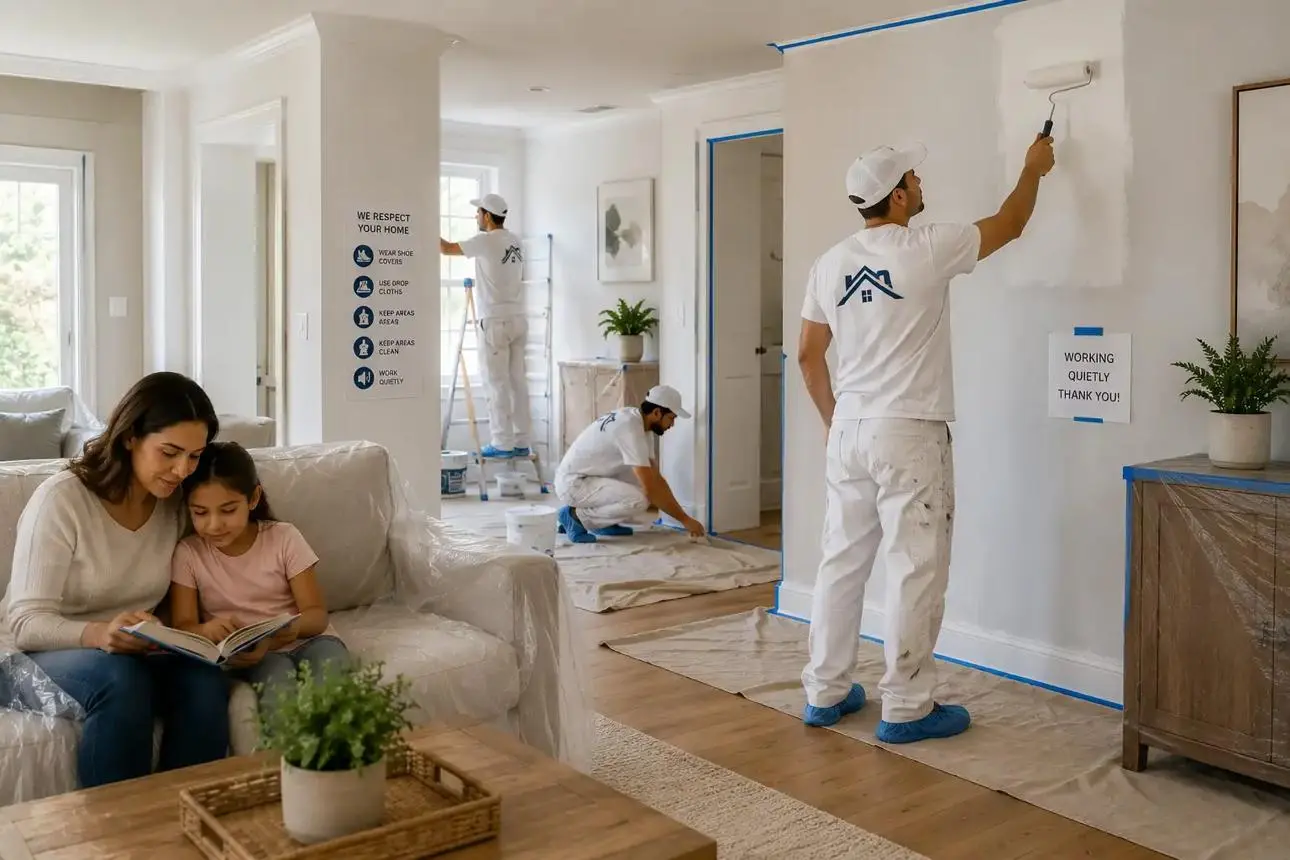
Repainting your home can improve its appearance, refresh old walls and make your living space feel more comfortable. However, one major concern for many homeowners is how to manage the painting project without moving out.
Families living in apartments and independent houses often prefer to continue their normal routines while painting work is underway.
This is possible with proper planning, but it requires coordination between homeowners and painters.
From protecting furniture and organising temporary sleeping arrangements to planning room-by-room painting schedules, several small decisions can make the project easier.
If you are planning house painting in Patna, this guide explains how to repaint your home while continuing to live in it.
Is It Possible to Paint a House Without Moving Out?
Yes. Many residential painting projects can be completed while homeowners continue living in the property.
However, the approach depends on:
- Number of rooms
- Size of the property
- Number of painters
- Furniture arrangement
- Painting scope
- Ventilation
- Family requirements
- Product drying and re-entry guidance
A room-by-room schedule can help maintain access to essential living areas.
For larger renovations, temporary accommodation may still be more practical.
1. Plan the Painting Schedule in Advance
Before painting begins, discuss the work schedule with your contractor.
Ask which rooms will be painted first and how long each section is expected to take.
A typical sequence may be:
- Bedrooms
- Living room
- Dining area
- Kitchen
- Hallways
- Remaining interior areas
The exact sequence should depend on the home's layout and the family's daily routine.
Make sure at least one suitable area remains available for essential activities.
2. Paint One Room at a Time
Painting one room at a time can help reduce disruption.
Instead of making the entire home inaccessible, divide the project into manageable sections.
For example:
Day 1–2: First bedroom
Move belongings, cover furniture and complete the agreed painting work.
Day 3–4: Second bedroom
Shift essential belongings into the completed room and prepare the next bedroom.
Day 5–6: Living room
Arrange alternative access to the kitchen and other necessary areas.
Day 7 onwards: Remaining areas
Complete hallways, dining spaces and other agreed sections.
This is only an illustrative schedule. Actual project duration depends on surface preparation, repairs, room size, product specifications and drying requirements.
3. Create a Temporary Sleeping Arrangement
Bedrooms are important because family members need a comfortable place to rest.
Before painting begins, identify where everyone will sleep.
Possible arrangements include:
- Using another completed bedroom
- Temporarily shifting beds
- Keeping essential bedding in storage
- Planning work around family schedules
- Using another suitable accommodation if necessary
Do not sleep in a freshly painted room until the manufacturer's ventilation and re-entry guidance has been followed.
4. Organise Your Furniture
Furniture can make painting difficult if it remains in the working area.
Before the painters arrive:
- Remove small furniture.
- Empty shelves where necessary.
- Store fragile decorations.
- Shift movable items.
- Cover large furniture.
- Keep pathways clear.
For large homes, it may be useful to divide furniture into separate storage zones.
Avoid stacking furniture in a way that blocks emergency exits or ventilation.
5. Protect Your Kitchen and Food Items
The kitchen may be one of the most challenging areas during a painting project.
Food items and cooking equipment should be protected from dust and paint particles.
Consider:
- Storing open food in sealed containers.
- Covering appliances.
- Moving utensils to closed cabinets.
- Keeping cooking equipment away from wet paint.
- Maintaining a separate clean food preparation area.
If the kitchen is being painted, arrange temporary food preparation facilities elsewhere.
Do not allow paint materials to come into contact with food or drinking water.
6. Keep Children Away from Active Painting Areas
Painting projects involve ladders, tools, chemicals and wet surfaces.
Children should not enter active work areas.
Before starting:
- Explain the painting schedule.
- Keep toys away from the work zone.
- Secure paint containers.
- Restrict access to ladders.
- Keep brushes and tools out of reach.
- Provide a separate play area.
Good communication helps maintain safety throughout the project.
7. Make Separate Arrangements for Pets
Pets may become uncomfortable around unfamiliar people, noise and painting materials.
Prepare a separate safe area for them.
Keep pets away from:
- Wet paint
- Open containers
- Solvents
- Paint thinner
- Brushes and rollers
- Sanding dust
- Electrical equipment
Follow product ventilation and re-entry guidance before allowing pets into completed rooms.
8. Maintain Proper Ventilation
Ventilation is important during painting.
Suitable airflow can help remove paint-related odours and support the drying process.
Where appropriate:
- Open windows.
- Use suitable exhaust ventilation.
- Maintain airflow between rooms.
- Follow product safety instructions.
- Avoid directing dusty air onto wet surfaces.
Always consider the product's VOC information and manufacturer recommendations.
9. Discuss Low-Odour Paint Options
If your family will remain in the home during painting, low-odour and low-VOC products may be worth considering.
However, product selection should not be based on odour alone.
Check:
- VOC specifications
- Product safety information
- Application instructions
- Ventilation requirements
- Drying time
- Re-entry guidance
Low-odour paint does not automatically mean that a freshly painted room is ready for immediate occupancy.
10. Protect Bathrooms and Essential Living Areas
Some parts of the home must remain accessible throughout the project.
Plan access to:
- At least one bathroom
- Drinking water
- Kitchen facilities
- Sleeping arrangements
- Electrical connections
- Main entrance and exit
If bathroom painting or renovation is included, discuss how long the bathroom will be unavailable.
Do not block access routes with furniture, ladders or painting materials.
11. Communicate Daily with Your Painting Contractor
Communication is particularly important when the family remains inside the property.
Discuss:
- Daily working hours
- Rooms scheduled for painting
- Furniture movement
- Water and electricity requirements
- Drying time
- Cleaning arrangements
- Pending repairs
- Unexpected delays
A daily update can help homeowners prepare for the next stage.
12. Prepare a Temporary Storage Area
Instead of moving belongings repeatedly, create one designated storage area.
Use it for:
- Clothes
- Bedding
- Electronics
- Documents
- Kitchen accessories
- Decorative items
- Children's belongings
Keep valuable items secured.
Label storage boxes according to room names so they can be returned easily after painting.
13. Manage Noise and Daily Activities
Painting involves scraping, sanding, drilling in some repair situations and moving furniture.
These activities can create noise and temporary inconvenience.
If family members work from home, coordinate the schedule accordingly.
Consider painting bedrooms or study areas at times that cause less disruption.
Discuss particularly noisy work in advance.
14. Plan the Final Cleaning and Furniture Arrangement
Once painting is completed, the home needs a careful handover.
Before moving everything back:
- Allow paint to dry as instructed.
- Remove protective coverings.
- Check for paint splashes.
- Clean floors carefully.
- Inspect wall finishes.
- Reinstall removable fittings.
- Arrange furniture.
- Confirm that ventilation and re-entry requirements have been met.
Avoid rubbing freshly painted surfaces while moving furniture.
15. Common Mistakes When Painting an Occupied Home
Painting every room simultaneously
This can make daily life unnecessarily difficult.
Not planning furniture movement
Unorganised furniture can obstruct painters and increase the risk of damage.
Ignoring ventilation
Inadequate ventilation can prolong drying and increase exposure to paint-related emissions.
Allowing children and pets into work areas
Painting tools and wet materials can create safety risks.
Not discussing the work schedule
A lack of coordination may lead to delays and unnecessary inconvenience.
Moving furniture back too early
Fresh paint may be damaged by contact with furniture.
How Long Does It Take to Paint a House While Living in It?
The project duration depends on the home size and painting requirements.
For example, a typical 2 BHK apartment may require approximately one week under suitable conditions, but extensive repairs, furniture movement and specialised finishes can increase the duration.
Factors include:
- Total wall area
- Number of rooms
- Surface condition
- Putty and repair work
- Paint system
- Number of coats
- Number of painters
- Drying requirements
Your contractor should provide a realistic schedule after inspecting the property.
House Painting While Living at Home with PaintGen
PaintGen provides residential interior and exterior painting services in Patna.
For homeowners who prefer not to move out during painting, a well-organised room-by-room schedule can help reduce disruption.
Before starting, discuss:
- Furniture protection
- Room-wise scheduling
- Painting duration
- Ventilation
- Surface preparation
- Cleaning arrangements
- Final inspection
A carefully planned project can make home painting more manageable without unnecessarily interrupting everyday family life.
Contact PaintGen to discuss your residential painting requirements in Patna and plan your next home refresh.
Questions people ask
Can I stay in my house while it is being painted?
Yes, many homes can be painted while residents continue living there. However, the work should be organised room by room, with suitable ventilation and safe access to essential areas.
How can I paint my house without moving furniture?
Move smaller items into another room and cover large furniture with appropriate protective sheets. Keep enough space for painters to work safely.
How long does it take to paint a 2 BHK while living inside?
A typical 2 BHK painting project may take around one week, depending on wall condition, repairs, paint selection, room scheduling and drying requirements.
Should I leave my house during interior painting?
Not necessarily. Follow the paint manufacturer's ventilation and re-entry guidance. Temporary accommodation may be preferable for extensive work, strong-smelling products or when safe separation from the work area is not possible.
Last updated 26 November 2026.