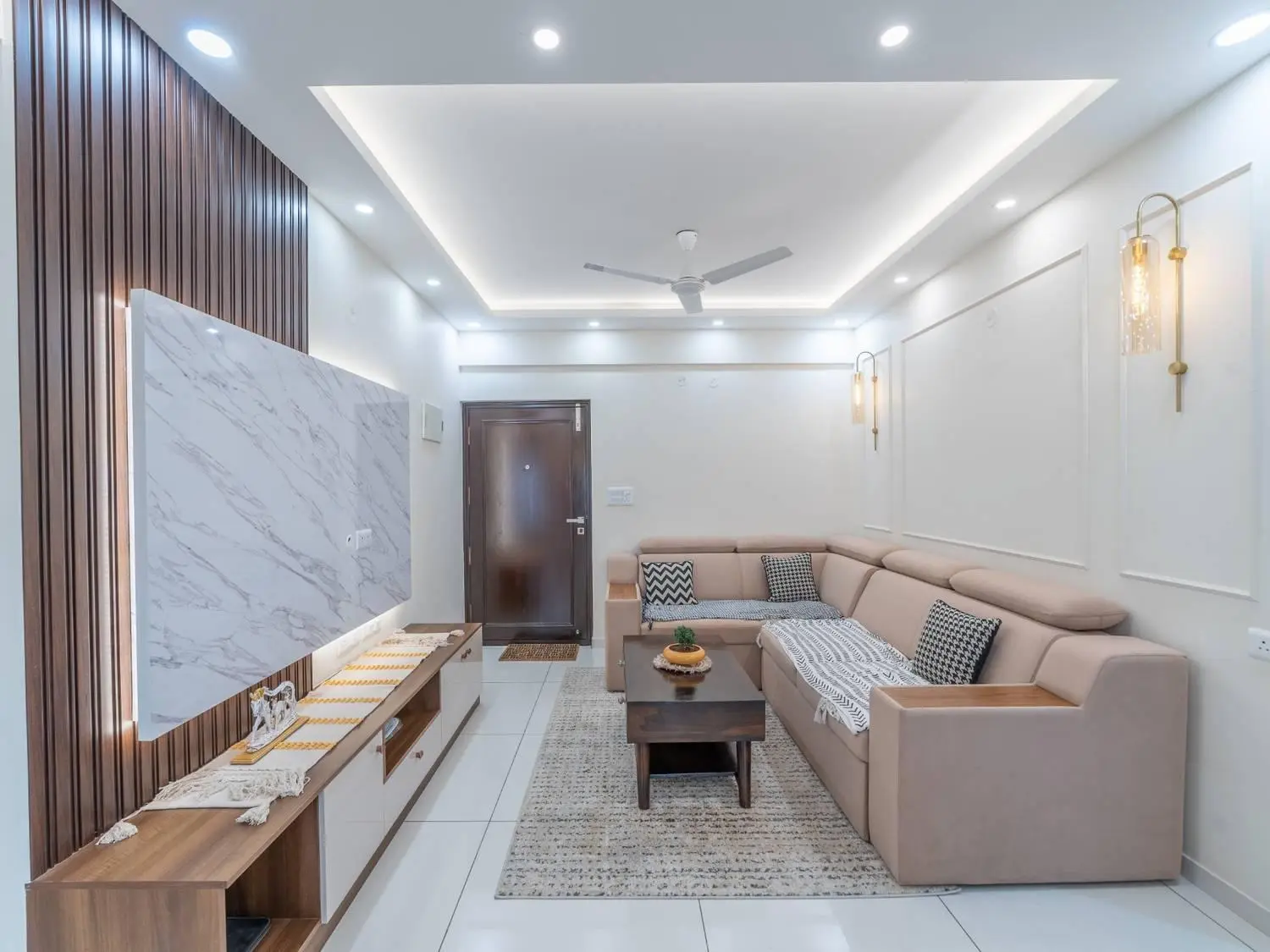
The ceiling is one of the largest visible surfaces in any room, yet it is often overlooked when homeowners plan interior painting.
Most people spend considerable time choosing wall colours, furniture and decorative elements. However, an uneven, stained or poorly maintained ceiling can affect the overall appearance of an otherwise attractive interior.
A freshly painted ceiling can make a room look cleaner, brighter and more coordinated. It can also help create a consistent appearance between the walls, lighting and other interior features.
Whether you are renovating an apartment, refreshing a bedroom or planning a complete home painting project, understanding ceiling painting is important.
The right paint selection, surface preparation and application technique can make a noticeable difference.
This guide explains how to paint ceilings, select suitable colours, prepare different surfaces and avoid common ceiling painting mistakes.
WHY IS CEILING PAINTING IMPORTANT?
Ceilings contribute to the overall appearance of a room.
Although they are not touched as frequently as walls, they can develop several visible problems over time.
Common ceiling problems include:
- Dust accumulation.
- Yellowish stains.
- Peeling paint.
- Surface cracks.
- Uneven paint coverage.
- Moisture marks.
- Discolouration around lighting fixtures.
- Damage caused by previous repairs.
Repainting can refresh the ceiling and improve the visual consistency of the interior.
However, moisture-related stains and structural defects should be investigated before applying fresh paint.
- HOW TO CHOOSE THE RIGHT CEILING PAINT
Ceiling paint should be selected according to the surface, room conditions and desired finish.
Some important considerations include:
Surface compatibility
Choose a product suitable for the existing ceiling substrate.
Finish
Low-sheen finishes are commonly preferred for ceilings because they create a relatively understated appearance.
Coverage
Check the manufacturer's stated coverage and recommended number of coats.
Application method
Ensure the product is suitable for the intended brush, roller or spray application.
Room conditions
Bathrooms, kitchens and other areas with higher moisture exposure may require a product specifically recommended for those conditions.
Do not assume that every interior wall paint is automatically suitable for every ceiling.
- WHY WHITE IS A POPULAR CEILING COLOUR
White remains a common ceiling colour because it complements many interior designs.
Its benefits include:
- Creates a simple appearance.
- Coordinates with different wall colours.
- Works with traditional and modern interiors.
- Complements many lighting arrangements.
- Provides flexibility when changing furniture.
However, white is not the only option.
- MODERN CEILING COLOUR IDEAS FOR HOMES
A suitable ceiling colour can contribute to the room's overall design.
Pure White
A classic option for bedrooms, living rooms and other residential spaces.
Off-White
Creates a softer appearance than bright white.
Ivory
Can complement warm beige and cream walls.
Light Grey
A contemporary option for modern interiors.
Pastel Blue
Can be considered for selected decorative bedroom designs.
Soft Beige
Works with warm interior palettes.
Choose a shade after evaluating the natural and artificial lighting in the room.
- CEILING COLOUR COMBINATIONS WITH WALL PAINT
Ceiling and wall colours should work together.
Here are some practical combinations:
White ceiling with beige walls
A balanced option for warm and neutral interiors.
White ceiling with light grey walls
Suitable for contemporary living rooms.
Off-white ceiling with cream walls
Creates a soft and coordinated appearance.
White ceiling with pastel blue walls
Can work well in selected bedrooms.
Light grey ceiling with white walls
Provides a subtle modern contrast.
For rooms with lower ceilings, lighter ceiling colours may help create a more open visual impression.
- HOW TO PREPARE A CEILING BEFORE PAINTING
Surface preparation is essential for achieving an even finish.
Step 1: Inspect the ceiling
Look for cracks, stains, peeling paint and uneven patches.
Step 2: Identify moisture problems
Check whether stains are caused by leakage, condensation or another source of moisture.
Step 3: Protect the room
Cover furniture, flooring and other surfaces.
Step 4: Remove loose paint
Unstable coatings should be removed using an appropriate method.
Step 5: Repair surface defects
Use suitable materials for minor cracks and surface imperfections.
Step 6: Clean the surface
Remove dust and loose particles.
Step 7: Allow adequate drying
The substrate should meet the selected product's moisture requirements.
Step 8: Apply compatible primer
Use a suitable primer where recommended.
The preparation process may differ for concrete, plasterboard and false ceiling surfaces.
- HOW TO PAINT A CEILING STEP BY STEP
Once the surface is prepared, painting can begin.
First, protect the walls, flooring and furniture.
Next, prepare the paint according to the manufacturer's instructions.
Use a suitable brush for corners and edges.
Apply the main paint using an appropriate roller or other recommended application method.
Work in manageable sections and maintain a consistent application technique.
Avoid excessive pressure on the roller because it may create uneven coverage.
Allow the first coat to dry according to the product instructions.
Apply additional coats if required.
Finally, inspect the ceiling under suitable lighting to identify missed areas and uneven sections.
- CEILING PAINTING FOR FALSE CEILINGS
False ceilings require attention to the substrate and existing finish.
Common false ceiling materials include gypsum board and other manufactured ceiling panels.
Before painting, check:
- Whether the surface is properly installed.
- Whether joints are finished.
- Whether screw or fixing marks are visible.
- Whether the surface has been sanded.
- Whether the selected primer is compatible.
- Whether the ceiling has any moisture damage.
Do not paint over unfinished joints or unstable surface materials.
Follow the recommended preparation system for the specific false ceiling material.
- HOW TO PAINT A CEILING WITHOUT MAKING A MESS
Ceiling painting can create splashes and drips if the work area is not prepared properly.
Consider these precautions:
- Cover furniture and floors.
- Remove or protect decorative items.
- Protect electrical fixtures.
- Use appropriate ladders or access equipment.
- Wear suitable protective equipment.
- Use rollers designed for the selected paint.
- Avoid overloading the roller.
- Keep the work area organised.
For high ceilings and difficult-to-access areas, professional assistance may be appropriate.
- COMMON CEILING PAINTING MISTAKES
Ignoring moisture stains
The source of moisture should be resolved before repainting.
Skipping surface preparation
Dust and loose material can affect coating performance.
Applying paint too thickly
Excessive application can cause an uneven appearance.
Choosing an unsuitable finish
The finish should be appropriate for the ceiling and room conditions.
Ignoring lighting
Uneven coverage may become more visible under direct or artificial lighting.
Painting before repairs are dry
Repair materials and the substrate should meet the required drying conditions.
- CEILING PAINTING COST FACTORS
The cost of ceiling painting depends on several factors.
These include:
- Total ceiling area.
- Ceiling height.
- Existing surface condition.
- Required repairs.
- Paint product.
- Number of coats.
- Application method.
- Furniture protection requirements.
- Accessibility.
False ceilings with decorative details may require more careful application than simple flat ceilings.
For an accurate estimate, assess the ceiling area and surface condition before requesting a quotation.
- CEILING PAINTING FOR HOMES IN PATNA
Homeowners in Patna planning interior renovation should include ceiling inspection in their painting checklist.
Before selecting a paint product, check for stains, peeling paint and moisture-related defects.
Consider the room's lighting and wall colour when selecting the ceiling shade.
A simple white or off-white ceiling may work well with many residential interior styles.
For kitchens and bathrooms, choose products suitable for the room's moisture conditions.
PaintGen offers painting and home improvement solutions for residential properties.
Visit https://www.paintgen.in/ to explore available services and discuss your ceiling painting requirements.
FINAL THOUGHTS
Ceiling painting is an important part of maintaining an attractive interior.
The right colour, compatible paint product and proper surface preparation can help create a clean and consistent finish.
Before repainting, inspect the ceiling carefully and address moisture or surface problems.
Whether you are refreshing one bedroom or repainting an entire house, include the ceiling in your overall interior painting plan.
Questions people ask
Which colour is best for ceiling painting?
White and off-white are versatile ceiling colours because they coordinate with different wall shades and interior styles. Light grey and soft beige can also work in selected interiors.
Which paint finish is suitable for ceilings?
Low-sheen finishes are commonly used for ceilings because they provide a subtle appearance. The final selection should depend on the ceiling surface and product specifications.
Can I paint a false ceiling?
Yes. Gypsum and other suitable false ceiling surfaces can be painted after proper joint finishing, surface preparation and application of compatible primer and paint.
Should ceiling stains be painted over directly?
No. First identify and resolve the source of the stain, particularly if it is related to leakage or moisture. Allow the surface to dry and prepare it before repainting.
Last updated 18 November 2026.