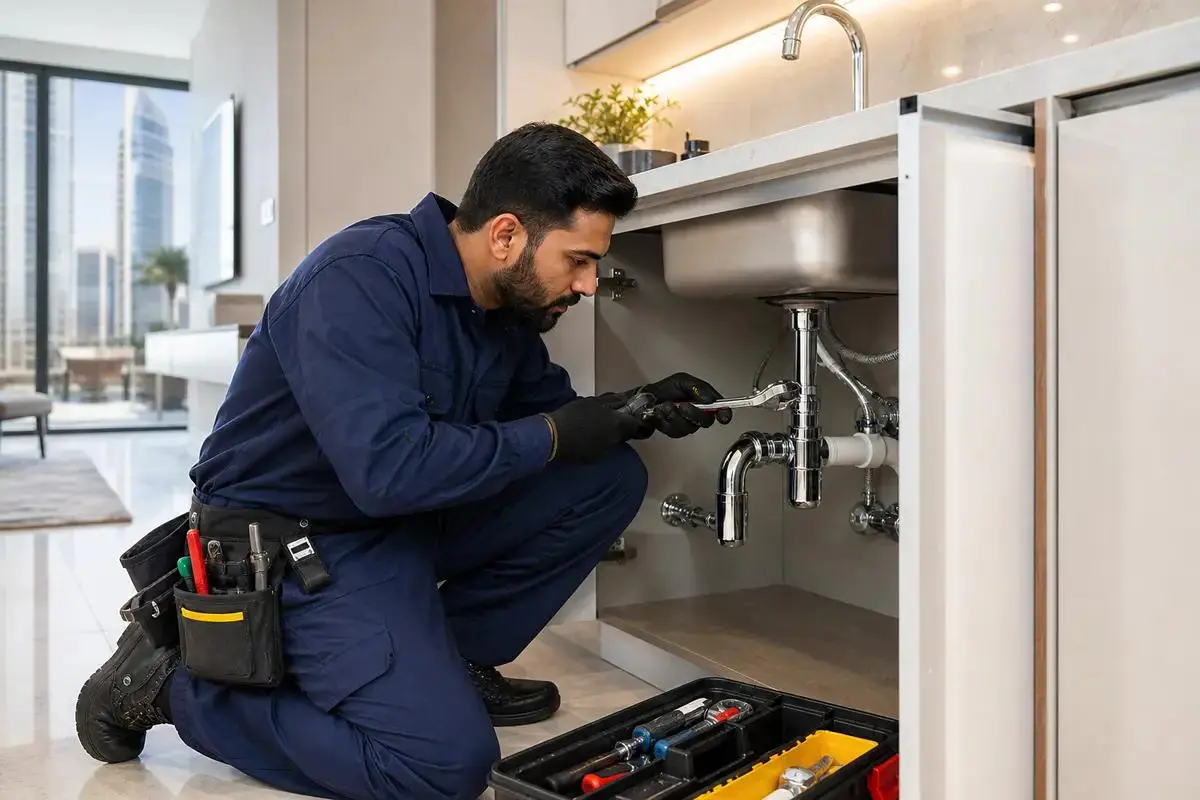
Plumbing is one of the most important systems in any home, yet it is often overlooked until something goes wrong.
A dripping tap, slow-draining sink or leaking pipe may initially appear to be a small inconvenience. However, if the problem is ignored, it can lead to water wastage, damaged cabinets, stained walls and expensive repairs.
Household plumbing systems involve water supply pipes, drainage connections, taps, bathroom fittings, kitchen fixtures and other components that need regular attention.
Understanding common plumbing problems can help homeowners identify warning signs early and decide when professional assistance is necessary.
Whether you live in an apartment or an independent house, basic plumbing awareness can make home maintenance easier.
This guide explains common household plumbing problems, their possible causes, preventive measures and situations where professional plumbing services may be required.
WHY HOUSEHOLD PLUMBING MAINTENANCE MATTERS
A properly maintained plumbing system helps ensure reliable water supply and effective drainage.
Regular inspection can help:
- Identify water leaks early.
- Reduce unnecessary water wastage.
- Prevent avoidable property damage.
- Maintain bathroom and kitchen fittings.
- Improve drainage performance.
- Reduce unexpected repair requirements.
Small plumbing problems should not always be ignored simply because the water supply continues to function.
- LEAKING TAPS AND FAUCETS
A dripping tap is one of the most common household plumbing problems.
Even a slow leak can waste water over time.
Common causes include:
- Worn-out washers.
- Damaged cartridge components.
- Loose connections.
- Deteriorated seals.
- Corrosion or damaged tap components.
What should homeowners do?
First, check whether the tap is completely closed.
If dripping continues, the internal components may require inspection or replacement.
Avoid repeatedly tightening the tap with excessive force, as this can damage the fitting.
When to call a plumber:
Contact a professional if the tap continues leaking, the fitting is damaged or the leakage comes from concealed connections.
- LEAKING WATER PIPES
Pipe leakage can cause serious household maintenance problems.
A small leak beneath a sink or inside a wall may remain unnoticed until moisture marks appear.
Common warning signs include:
- Wet patches on walls.
- Water collecting beneath cabinets.
- Unexpected increases in water consumption.
- Damp flooring.
- Corrosion around exposed pipe joints.
- Reduced water pressure.
Possible causes include:
- Loose connections.
- Damaged pipe sections.
- Corrosion.
- Excessive pressure.
- Ageing plumbing materials.
- Improper installation.
What should homeowners do?
If a visible pipe is leaking, avoid using the affected fixture.
If it is safe and accessible, shut off the relevant water supply.
For concealed leakage, professional inspection may be necessary to identify the exact location.
Do not attempt complicated pipe repairs without suitable tools and experience.
- BLOCKED KITCHEN SINKS
A blocked kitchen sink can interfere with daily household activities.
Water may drain slowly or stop flowing altogether.
Common causes include:
- Accumulated food particles.
- Grease and oil deposits.
- Soap residue.
- Foreign objects.
- Build-up within drainage pipes.
Preventive measures:
- Avoid pouring cooking oil into the sink.
- Remove food scraps before washing dishes.
- Use a suitable sink strainer.
- Clean accessible drain components regularly.
- Avoid allowing large food particles to enter the drainage system.
When to call a plumber:
Professional assistance may be required if the blockage persists, water backs up repeatedly or several connected drains are affected.
Avoid combining chemical drain cleaners or mixing different cleaning products.
- BLOCKED BATHROOM DRAINS
Bathroom drainage problems commonly occur in showers, washbasins and floor drains.
Hair, soap residue and accumulated debris may restrict water flow.
Warning signs include:
- Slow-draining water.
- Unpleasant drain smells.
- Water collecting around the shower area.
- Repeated blockages.
- Gurgling sounds.
What can help?
Use a suitable drain cover to reduce the entry of hair and debris.
Clean accessible strainers periodically.
If the blockage is deeper inside the drainage system, professional drain cleaning may be necessary.
- LOW WATER PRESSURE
Low water pressure can make everyday activities inconvenient.
You may notice weak water flow from taps, showers and other fixtures.
Possible causes include:
- Partially closed valves.
- Blocked tap aerators.
- Mineral deposits.
- Pipe leakage.
- Faulty pressure equipment.
- Problems with the building's water supply.
- Plumbing restrictions.
How to investigate:
Check whether the issue affects one tap or the entire property.
If only one fixture has low pressure, the problem may be localised.
If several fixtures are affected, the cause may involve the main supply, pump or plumbing system.
When to call a professional:
Contact a plumber if the pressure problem continues or is accompanied by unusual noises, leakage or inconsistent water flow.
- RUNNING TOILETS
A toilet that continues running after flushing can waste a significant amount of water.
Possible causes include:
- Worn-out flush valve components.
- Faulty fill valves.
- Incorrect float adjustment.
- Damaged seals.
- Problems with the flushing mechanism.
What should homeowners check?
Listen for continuous water movement after flushing.
If the tank continues filling or water keeps flowing into the bowl, internal components may require inspection.
A professional plumber can identify whether adjustment or replacement is necessary.
- WATER LEAKAGE AROUND BATHROOM FITTINGS
Water leakage around showers, washbasins and bathroom fixtures can affect surrounding walls and floors.
Common sources include:
- Loose pipe connections.
- Damaged seals.
- Faulty taps.
- Failed waterproofing.
- Deteriorated joints.
- Damaged drainage connections.
Why is this important?
Bathroom leakage can gradually affect adjoining rooms and may contribute to dampness or peeling paint.
Do not assume that every bathroom damp patch is caused by waterproofing failure.
The source may be a concealed plumbing leak or a damaged connection.
Professional inspection helps determine the appropriate repair.
- WATER HEATER AND CONNECTION PROBLEMS
Water heaters require suitable plumbing connections and regular maintenance.
Possible warning signs include:
- Leakage near the inlet or outlet.
- Dripping connections.
- Unusual noises.
- Irregular hot-water supply.
- Visible corrosion.
Water heater repairs can involve electrical and pressure-related hazards.
Do not open or repair internal electrical components yourself.
Switch off the appliance safely when necessary and contact an appropriately qualified technician.
- BAD SMELLS FROM DRAINS
Unpleasant smells from kitchen or bathroom drains may indicate a drainage or ventilation issue.
Possible causes include:
- Accumulated organic material.
- Dry floor traps.
- Blocked drainage lines.
- Improperly installed traps.
- Sewer gas entering the building.
A dry trap can sometimes allow unpleasant odours to enter a room.
If cleaning accessible drains does not solve the problem, professional inspection may be required.
- HOW TO PREVENT COMMON PLUMBING PROBLEMS
Preventive maintenance can help reduce the likelihood of unexpected plumbing failures.
Inspect visible pipes
Check exposed pipes and joints for corrosion, dripping and unusual moisture.
Maintain taps and fittings
Address dripping taps before they become larger problems.
Keep drains clear
Use strainers and avoid disposing of grease or unsuitable materials through sinks.
Inspect bathrooms
Look for water accumulation around showers, toilets and washbasins.
Monitor water pressure
Pay attention to sudden changes in water flow.
Check water tanks and connections
Inspect accessible connections and arrange maintenance when required.
Address small leaks early
Do not ignore recurring moisture marks or water stains.
- WHEN SHOULD YOU CALL A PROFESSIONAL PLUMBER?
Some plumbing tasks are simple, but others require specialist tools and experience.
Contact a professional when:
- A concealed pipe is leaking.
- Water pressure changes suddenly.
- Multiple drains become blocked.
- Water leakage affects walls or ceilings.
- A toilet continues running despite basic checks.
- A water heater connection is leaking.
- Drainage water backs up into the property.
- Pipe replacement is required.
- You suspect a major plumbing failure.
If water is near electrical equipment, avoid touching the affected area and arrange appropriate emergency assistance.
- HOW PLUMBING LEAKS CAN AFFECT WALL PAINT AND INTERIORS
Plumbing problems and painting maintenance are closely connected.
A leaking pipe inside a wall can cause moisture to spread through plaster.
Over time, this may contribute to:
- Damp patches.
- Paint blistering.
- Peeling coatings.
- Discoloured walls.
- Damaged plaster.
- Unpleasant indoor smells.
This is why plumbing repairs should be completed before repainting moisture-affected walls.
A fresh coat of paint may temporarily improve the appearance, but it will not repair a leaking pipe.
The correct process is to identify the leakage source, repair the plumbing, allow the surface to dry and complete the required wall repairs before repainting.
- PLUMBING SERVICES IN PATNA: WHAT HOMEOWNERS SHOULD CONSIDER
Homeowners in Patna may require plumbing assistance for kitchens, bathrooms, water supply connections, drainage systems and general household maintenance.
Before arranging plumbing work, identify the affected fixture and describe the symptoms clearly.
It is also useful to note:
- When the problem started.
- Whether leakage is continuous.
- Whether other fixtures are affected.
- Whether water pressure has changed.
- Whether nearby walls show moisture marks.
PaintGen offers plumbing and home improvement services as part of its wider residential maintenance solutions.
For homeowners dealing with plumbing-related moisture damage, coordinating plumbing repairs with the necessary wall repair and painting work can help create a more organised maintenance process.
Visit https://www.paintgen.in/ to explore the services available and discuss your home maintenance requirements.
FINAL THOUGHTS
Household plumbing problems should be addressed before they develop into more extensive property damage.
From dripping taps and blocked drains to concealed pipe leakage and low water pressure, recognising early warning signs can help homeowners take appropriate action.
Regular inspection, careful water usage and timely professional repairs can support a more reliable household plumbing system.
If you notice persistent leakage, drainage problems or plumbing-related dampness, seek professional assistance rather than relying on temporary fixes.
For plumbing and home improvement solutions in Patna, explore PaintGen.in.
Questions people ask
What are the most common plumbing problems in homes?
Common household plumbing problems include leaking taps, blocked sinks, clogged bathroom drains, leaking pipes, low water pressure, running toilets and water leakage around bathroom fittings.
When should I call a professional plumber?
Contact a professional when you notice concealed pipe leakage, repeated drain blockages, sudden pressure changes, water heater connection problems or water damage affecting walls and ceilings.
Can plumbing leakage cause damp walls?
Yes. Leaking water pipes and bathroom connections can allow moisture to enter walls and surrounding surfaces. Repair the leakage source before completing wall repairs and repainting.
How can I prevent blocked kitchen and bathroom drains?
Use drain strainers, remove food scraps, avoid pouring cooking grease into sinks and clean accessible drain covers regularly. Persistent blockages may require professional cleaning.
Last updated 9 November 2026.