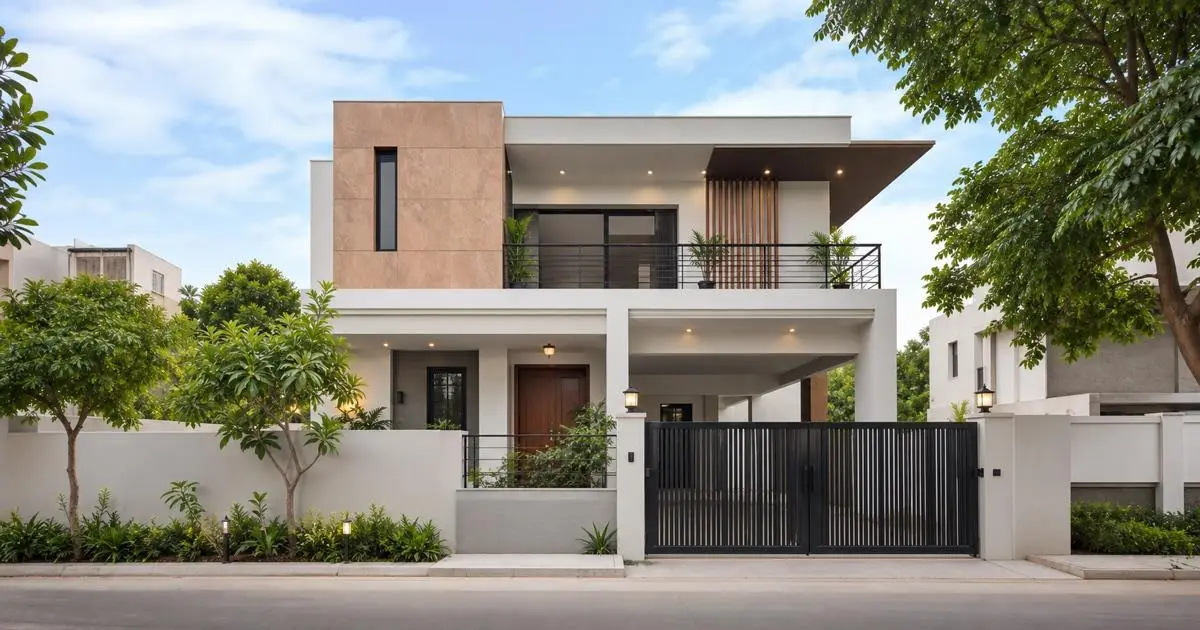
The exterior walls of your home are constantly exposed to environmental conditions. Unlike interior walls, which are protected from direct sunlight and rainfall, outside surfaces must withstand changing temperatures, moisture, dust, pollution and other weather-related challenges.
Over time, these conditions can affect the appearance and condition of exterior paint. Colours may fade, coatings may deteriorate and poorly prepared surfaces can develop peeling or cracks.
Exterior house painting is therefore not simply a decorative activity. It is an important part of maintaining the appearance and surface protection of a property.
Whether you own an independent house, a duplex, a residential building or a commercial property, choosing the right exterior painting system can help maintain your building's appearance.
This guide explains how to select exterior paint, prepare walls, understand colour options and plan a professional exterior painting project.
WHY EXTERIOR HOUSE PAINTING IS IMPORTANT
Exterior paint contributes to both the appearance and maintenance of a building.
A suitable exterior coating can:
- Improve the appearance of the property.
- Provide a protective layer against environmental exposure.
- Help reduce the impact of rain and moisture when the product is suitable and correctly applied.
- Make exterior surfaces easier to maintain.
- Refresh an ageing building.
- Improve the visual coordination of balconies, boundary walls and architectural features.
However, exterior paint cannot correct structural problems, major cracks or active water leakage. Those issues require appropriate inspection and repair before painting.
- UNDERSTAND THE DIFFERENT TYPES OF EXTERIOR PAINT
Choosing exterior paint requires more than selecting a colour.
Different paint systems have different compositions, finishes and performance characteristics.
Exterior emulsion
Exterior emulsion paints are commonly used for residential building walls. They are designed for outdoor exposure and are available in different finishes and product categories.
Their performance depends on the formulation, substrate preparation and application conditions.
Weather-resistant coatings
Some exterior paint products are formulated to provide enhanced resistance to sunlight, rain and environmental exposure.
The appropriate product depends on the building's location, surface condition and manufacturer specifications.
Elastomeric coatings
Certain elastomeric coatings are designed to accommodate limited movement in suitable substrates and help bridge small non-structural surface cracks within specified limits.
They should not be treated as a replacement for structural crack repairs.
Cement-based coatings
Cement-based exterior coatings may be suitable for particular masonry and cement surfaces. Product compatibility and application instructions should always be checked.
- HOW TO CHOOSE THE RIGHT EXTERIOR PAINT
Consider the following factors before selecting an exterior paint system.
Climate exposure
Buildings in areas exposed to intense sunlight, heavy rainfall or high humidity may need different coating considerations.
Surface condition
Old paint, plaster damage, chalking and moisture problems can influence the choice of primer and coating.
Paint durability
Compare product specifications, expected maintenance requirements and manufacturer recommendations.
Colour stability
Exterior colours receive direct sunlight. Ask about the product's resistance to fading and weather exposure.
Maintenance requirements
Some finishes and colour choices may require more frequent cleaning or maintenance than others.
Do not select a paint product only because it has an attractive shade or low initial price. Consider the complete painting system.
- EXTERIOR WALL PREPARATION BEFORE PAINTING
Wall preparation is one of the most important stages of exterior painting.
Applying new paint over an unsuitable surface can lead to premature coating failure.
A typical preparation process may include:
Step 1: Inspect the building
Check the walls for cracks, peeling paint, loose plaster, dampness and surface contamination.
Step 2: Remove loose material
Loose or flaking paint should be removed using suitable methods.
Step 3: Clean the surface
Dust, dirt, algae and other contaminants may interfere with paint adhesion.
Use an appropriate cleaning method without damaging the underlying plaster.
Step 4: Repair surface defects
Repair cracks and damaged plaster using materials suitable for the substrate and the extent of the damage.
Structural cracks require professional assessment.
Step 5: Address moisture problems
Identify water penetration, roof leakage, plumbing leakage or drainage issues.
The underlying cause should be resolved before repainting.
Step 6: Apply compatible primer
Choose a primer recommended for the existing surface and selected exterior paint system.
Step 7: Apply the exterior coating
Apply the recommended number of coats, coverage and drying intervals according to the manufacturer's instructions.
- EXTERIOR HOUSE COLOUR COMBINATIONS
The exterior colour scheme influences how the entire building looks from the street.
Ivory and Grey
Ivory creates a bright base while grey can highlight balconies, borders and architectural details.
White and Charcoal
This combination gives modern homes a clean and contemporary appearance.
Beige and Brown
Warm neutral colours can complement traditional residential architecture.
Cream and Olive Green
This combination can work well with landscaped surroundings and natural materials.
White and Terracotta
Terracotta accents can introduce warmth without covering the entire building in a strong colour.
Before selecting exterior colours, consider the neighbouring buildings, roof colour, window frames, boundary walls and natural surroundings.
- HOW TO SELECT EXTERIOR PAINT FOR DIFFERENT BUILDING AREAS
Not every exterior surface should automatically receive the same coating.
Main exterior walls
Select a compatible exterior wall paint based on the substrate and exposure.
Parapet walls
These surfaces may receive significant rain exposure. Inspect them for water entry and damaged plaster.
Balconies
Consider cleaning requirements and the presence of nearby water sources.
Boundary walls
Boundary walls are exposed to dust, splashes and environmental conditions. Choose a suitable exterior coating.
Metal gates and railings
Metal surfaces need appropriate preparation and compatible primers and finishes rather than ordinary wall paint.
Wooden exterior elements
Exterior wood requires suitable wood coatings designed for the relevant exposure conditions.
- EXTERIOR PAINTING MISTAKES TO AVOID
Avoid these common mistakes:
Painting over damp surfaces.
Applying fresh paint over loose or peeling material.
Ignoring cracks and damaged plaster.
Using interior paint on exterior walls.
Selecting products without checking substrate compatibility.
Ignoring manufacturer drying times.
Painting during unsuitable weather conditions.
Failing to protect windows, doors and surrounding surfaces.
Using an unsuitable primer.
A professional inspection can help identify these issues before work begins.
- HOW WEATHER AFFECTS EXTERIOR PAINTING
Weather conditions influence how coatings are applied and dry.
Rainfall
Painting during rain or on wet surfaces can interfere with application and drying.
High humidity
Excessive moisture in the air may affect drying times and coating performance.
Direct sunlight
Very hot surfaces can affect the application and drying behaviour of certain products.
Wind and dust
Dust can settle on wet paint and affect the final appearance.
Always follow the paint manufacturer's temperature, humidity and weather-related application guidelines.
- WHEN SHOULD YOU REPAINT YOUR HOUSE EXTERIOR?
There is no single repainting interval that applies to every building.
The appropriate time depends on:
- Paint quality and coating system.
- Surface preparation.
- Sunlight exposure.
- Rain and moisture conditions.
- Building orientation.
- Maintenance history.
- Existing wall condition.
Look for visible fading, chalking, peeling, cracking or areas where the underlying surface has become exposed.
An inspection can help determine whether cleaning, local repairs or complete repainting is required.
- WHY PROFESSIONAL EXTERIOR PAINTING SERVICES MATTER
Exterior painting involves more than applying paint to large walls.
A professional painting project may require surface inspection, material selection, access equipment, preparation, application planning and quality checks.
Before hiring a painting contractor, ask:
- What surface preparation is included?
- Which paint and primer products will be used?
- Are repairs included in the quotation?
- How many coats are proposed?
- What safety arrangements are followed?
- How will the work area be protected?
- What is the expected completion schedule?
- What written support or warranty terms apply?
A clear written quotation helps homeowners understand the project before work begins.
- EXTERIOR PAINTING SERVICES IN PATNA
Patna homes experience seasonal variations, including hot weather, rainfall and humidity.
These conditions make exterior surface inspection and appropriate paint selection important.
Homeowners should pay attention to:
- Exterior plaster condition.
- Roof and terrace drainage.
- Water entry around balconies.
- Peeling or chalking paint.
- Cracks around openings.
- Areas exposed to frequent rain.
PaintGen provides exterior painting services in Patna along with interior painting, waterproofing, plumbing repair and other home improvement solutions.
The PaintGen website allows homeowners to explore painting services and use its price calculator to begin planning a project.
FINAL THOUGHTS
Exterior house painting is an important investment in the appearance and maintenance of your property.
The right results depend on selecting compatible paint products, preparing the walls properly, repairing surface problems and following correct application practices.
Do not rush the process by selecting paint based only on colour or price.
If you are planning exterior house painting in Patna, explore the services offered by PaintGen.
Visit https://www.paintgen.in/ to learn more about exterior painting, request a site visit and discuss suitable solutions for your property.
Questions people ask
Which paint is best for exterior house walls?
Exterior emulsion and other weather-resistant coating systems are commonly used for outside walls. The best option depends on the substrate, climate exposure, existing surface condition and manufacturer's recommendations.
How often should exterior house walls be repainted?
There is no fixed interval for every property. Repainting depends on paint quality, preparation, weather exposure and maintenance. Inspect your walls for fading, chalking, peeling and cracks.
Can exterior walls be painted during the rainy season?
Painting should not be carried out on wet surfaces or during rainfall. Follow the manufacturer's weather and drying requirements before applying exterior coatings.
How do I choose exterior colours for my house?
Consider your building design, roof, windows, surroundings and natural light. Combinations such as ivory and grey, cream and brown, or white and charcoal can create attractive exterior appearances.
Last updated 6 November 2026.