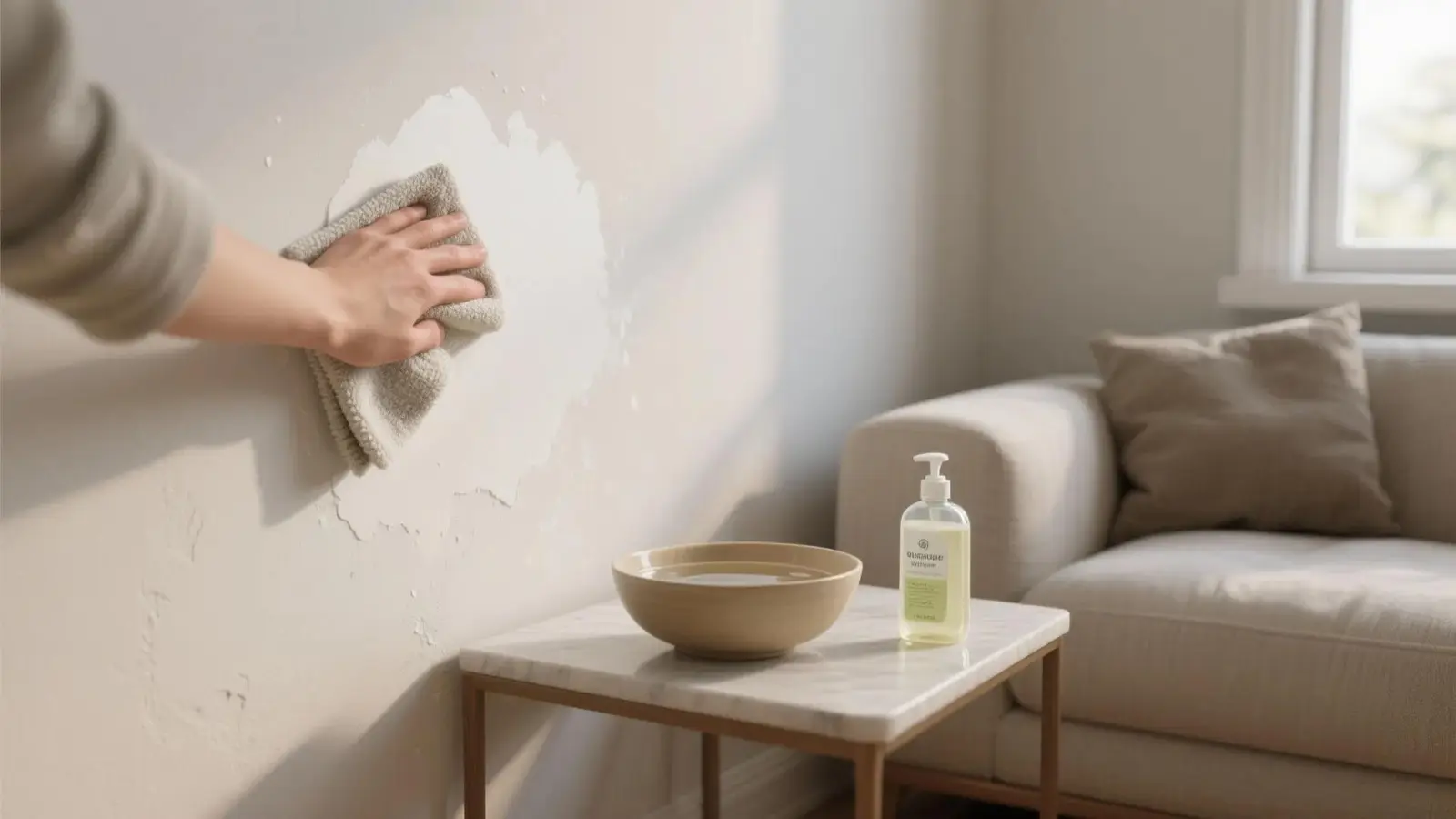
Freshly painted walls can make an entire home feel cleaner, brighter and more welcoming. However, maintaining that appearance requires more than choosing the right paint colour.
Everyday activities gradually affect painted surfaces. Dust collects on walls, furniture leaves marks, children may create stains and kitchen areas can develop grease deposits.
The good news is that regular maintenance and suitable cleaning methods can help keep painted walls looking presentable.
However, not every wall should be cleaned in the same way. Matte, satin, semi-gloss and textured finishes have different surface characteristics. Using an unsuitable cleaning product or applying excessive pressure may damage the coating.
This guide explains how to clean painted walls, remove common stains, maintain different finishes and avoid mistakes that can affect your home's interior appearance.
WHY IS PAINTED WALL MAINTENANCE IMPORTANT?
Wall maintenance helps preserve the appearance of your interiors.
Regular care can:
- Reduce visible dust and dirt.
- Help manage everyday surface marks.
- Maintain the appearance of painted walls.
- Identify damage at an early stage.
- Reduce the need for unnecessary repainting.
- Keep frequently used spaces looking presentable.
It is important to understand that cleaning cannot repair damaged paint, peeling coatings or underlying moisture problems.
Those conditions require a different approach.
- UNDERSTAND YOUR WALL PAINT FINISH BEFORE CLEANING
Before cleaning any painted wall, identify its finish.
Matte Finish
Matte paint has low light reflection and is commonly selected for its smooth, understated appearance.
However, some matte finishes may be more sensitive to scrubbing.
Use a soft cloth and gentle cleaning methods.
Satin Finish
Satin finishes have a slight sheen and may be easier to clean than some conventional matte products.
Always check the product's cleaning recommendations.
Semi-Gloss Finish
Semi-gloss surfaces are often used on selected areas that require more frequent cleaning.
They generally have greater reflectivity than matte finishes.
Gloss Finish
Gloss finishes have a more reflective appearance and are used in selected interior applications.
Use compatible cleaning materials to avoid scratching the surface.
Textured Finish
Textured walls require additional care because dust can collect in surface grooves and raised patterns.
Avoid aggressive scrubbing that could damage the decorative texture.
- HOW TO CLEAN PAINTED WALLS STEP BY STEP
Cleaning painted walls does not always require specialised equipment.
Follow these basic steps.
Step 1: Identify the paint finish
Check whether the wall is matte, satin, semi-gloss, gloss or textured.
If possible, refer to the paint product information.
Step 2: Remove loose dust
Use a clean microfiber cloth or a soft duster.
Work gently to remove loose dust without scratching the coating.
Step 3: Prepare a suitable cleaning solution
For washable finishes, use a small amount of mild cleaning solution in water if recommended by the paint manufacturer.
Avoid strong chemicals and abrasive cleaners.
Step 4: Test a hidden area
Before cleaning a large section, test the solution in an inconspicuous location.
Check for colour transfer, surface damage or changes in sheen.
Step 5: Clean gently
Use a soft cloth or sponge.
Avoid excessive water and strong pressure.
Step 6: Remove cleaning residue
If required, gently wipe the surface with a clean damp cloth.
Step 7: Allow the wall to dry
Allow the cleaned area to dry naturally.
- HOW TO REMOVE COMMON STAINS FROM PAINTED WALLS
Different stains require different cleaning approaches.
Dust Marks
Dust can accumulate around corners, behind furniture and near windows.
Use a soft microfiber cloth or suitable duster.
Fingerprints
Fingerprints are common around switches, doors and frequently touched areas.
For washable finishes, gently clean the affected area using an appropriate mild cleaning method.
Crayon Marks
Children may accidentally draw on painted walls.
First test a suitable cleaning method in a hidden area.
Avoid abrasive scrubbing, especially on matte paint.
Food Stains
Food splashes may occur in dining areas and kitchens.
Remove fresh residue carefully without spreading the stain.
Use a compatible cleaning solution if recommended.
Grease Marks
Grease deposits are common around cooking areas.
Use a suitable cleaner compatible with the wall coating.
Do not use harsh chemicals without checking the paint manufacturer's instructions.
Water Stains
Water stains should not simply be cleaned and covered.
First identify whether the cause is plumbing leakage, roof seepage, condensation or another moisture source.
Repair the underlying issue before considering repainting.
- HOW TO MAINTAIN WALLS IN DIFFERENT ROOMS
Living Room
Living rooms are frequently used and may collect dust, fingerprints and marks from furniture.
Useful practices include:
- Dusting surfaces periodically.
- Cleaning visible marks promptly.
- Keeping furniture from rubbing against walls.
- Using suitable protective pads where necessary.
Bedroom
Bedrooms generally require regular dust removal and occasional cleaning of frequently touched areas.
Avoid excessive moisture while cleaning.
Kitchen
Kitchen walls may be exposed to grease, food splashes and cooking residue.
Clean suitable washable surfaces regularly and ensure adequate ventilation.
Bathroom
Bathroom walls are exposed to moisture and humidity.
Maintain proper ventilation and inspect painted surfaces for peeling, discolouration and dampness.
Choose coatings suitable for bathroom conditions.
Children's Room
Children's rooms may experience frequent fingerprints, marks and accidental stains.
Consider the cleaning requirements when choosing the paint finish.
- HOW OFTEN SHOULD PAINTED WALLS BE CLEANED?
There is no universal cleaning schedule for every room.
The frequency depends on:
- Household activity.
- Number of occupants.
- Presence of children or pets.
- Kitchen usage.
- Ventilation.
- Dust exposure.
- Paint finish.
- Visible surface marks.
Frequently touched areas may need attention more often than walls behind furniture.
A simple periodic inspection can help identify areas that need cleaning.
- COMMON MISTAKES WHEN CLEANING PAINTED WALLS
Using abrasive scrubbers
Rough cleaning materials may scratch or damage certain paint finishes.
Using strong chemicals
Some cleaning products can affect the coating colour or sheen.
Applying excessive water
Too much water can damage unsuitable coatings or enter vulnerable wall joints.
Scrubbing before removing dust
Loose dust may spread and create additional marks.
Ignoring product instructions
Different paint formulations have different cleaning requirements.
Cleaning freshly painted walls too early
Allow the paint to cure according to the manufacturer's instructions before washing it.
- HOW TO PREVENT WALL STAINS AND MARKS
Preventive care can reduce the need for frequent cleaning.
Consider these practical steps:
- Use furniture pads where furniture touches walls.
- Keep frequently used areas clean.
- Clean accidental spills promptly.
- Avoid dragging furniture against painted surfaces.
- Use suitable wall protection in high-contact areas.
- Maintain kitchen ventilation.
- Address plumbing leaks early.
- Inspect walls periodically.
For homes with children, suitable washable paint may be worth considering during the next painting project.
- WHEN DOES A WALL NEED REPAINTING INSTEAD OF CLEANING?
Not every wall problem can be solved through cleaning.
Repainting may be necessary when:
The paint is peeling
Loose or flaking paint generally requires surface preparation and a compatible new coating system.
The colour has faded
Prolonged sunlight exposure can affect the appearance of some paints.
The wall has extensive stains
Some stains may remain visible even after appropriate cleaning.
The coating is damaged
Scratches, cracks and other defects may require repairs.
The wall has moisture damage
Resolve the underlying moisture source before repainting.
A professional assessment can help determine whether cleaning, spot repair or complete repainting is more suitable.
- HOW TO CHOOSE PAINT THAT IS EASIER TO MAINTAIN
If you are planning a new painting project, consider the maintenance requirements before choosing a finish.
Washability
Check whether the product is designed for regular cleaning.
Stain resistance
Some products offer enhanced resistance to selected household stains.
Durability
Consider the expected use of each room.
Finish
Choose matte, satin or other finishes according to the room's requirements.
Product instructions
Review cleaning recommendations before purchasing.
Do not assume that every paint marketed as washable will perform identically.
- PAINTED WALL MAINTENANCE FOR HOMES IN PATNA
Homeowners in Patna can benefit from regular wall maintenance, particularly in frequently used living spaces and kitchens.
Dust exposure, household activity, moisture and ventilation can all influence how painted surfaces look over time.
A suitable maintenance routine should consider the type of paint, room conditions and actual surface problems.
If walls have developed peeling paint, damp patches or recurring stains, investigate the cause instead of repeatedly cleaning the affected area.
PaintGen provides painting and home improvement solutions for residential properties.
Whether you are planning a fresh interior painting project or refreshing existing walls, choosing suitable materials and finishes can make future maintenance easier.
Visit https://www.paintgen.in/ to explore available painting services.
FINAL THOUGHTS
Maintaining painted walls does not require complicated routines.
Regular dust removal, gentle cleaning, suitable products and early attention to surface problems can help preserve the appearance of your home interiors.
The most important thing is to use cleaning methods appropriate for the paint finish.
If your walls show peeling, extensive staining or moisture damage, identify the underlying issue before repainting.
For painting and home improvement solutions, explore PaintGen.in.
Questions people ask
How often should I clean painted walls?
Cleaning frequency depends on room usage, dust exposure, household activity and paint finish. Frequently touched areas may need more regular attention, while other walls may only require occasional dust removal.
Can I wash all types of painted walls?
No. Washability varies by paint formulation and finish. Check the manufacturer's cleaning instructions and test a small hidden area before cleaning the entire surface.
How can I remove fingerprints from painted walls?
For suitable washable finishes, use a soft cloth and a mild cleaning solution if recommended by the manufacturer. Avoid abrasive materials and excessive pressure.
When should painted walls be repainted?
Repainting may be necessary when walls have extensive peeling, fading, persistent stains or coating damage. Investigate moisture and other underlying problems before applying new paint.
Last updated 10 November 2026.