A freshly painted home looks beautiful, but an unpleasant paint smell can sometimes make the experience less comfortable. After painting walls, ceilings or other interior surfaces, homeowners may notice a strong chemical odour that remains in the room for several hours or even longer.
This is a common concern, especially when families are preparing to move into a newly painted home or when bedrooms, kitchens and living spaces are being renovated.
The smell of fresh paint depends on several factors, including the paint formulation, ventilation, room temperature, humidity and the amount of paint applied.
If you have recently completed home painting in Patna, understanding how to manage indoor air circulation and reduce exposure to paint vapours can help make the space more comfortable.
In this guide, we explain why paint smells occur, how to reduce them and what homeowners should consider before using a freshly painted room.
Why Does Fresh Paint Have a Strong Smell?
Paint contains different ingredients that help create colour, adhesion, durability and the final surface finish.
Some paint products release volatile organic compounds, commonly known as VOCs, into the surrounding air.
These compounds can contribute to the smell associated with freshly painted surfaces.
However, not all paints have the same composition or VOC levels.
The smell and drying behaviour can vary depending on:
- Paint formulation
- Solvent or water-based composition
- VOC content
- Number of coats applied
- Room ventilation
- Temperature and humidity
- Size of the painted area
Some modern water-based paints are formulated to have lower odour, but low odour does not automatically mean zero emissions.
1. Open Windows and Doors for Ventilation
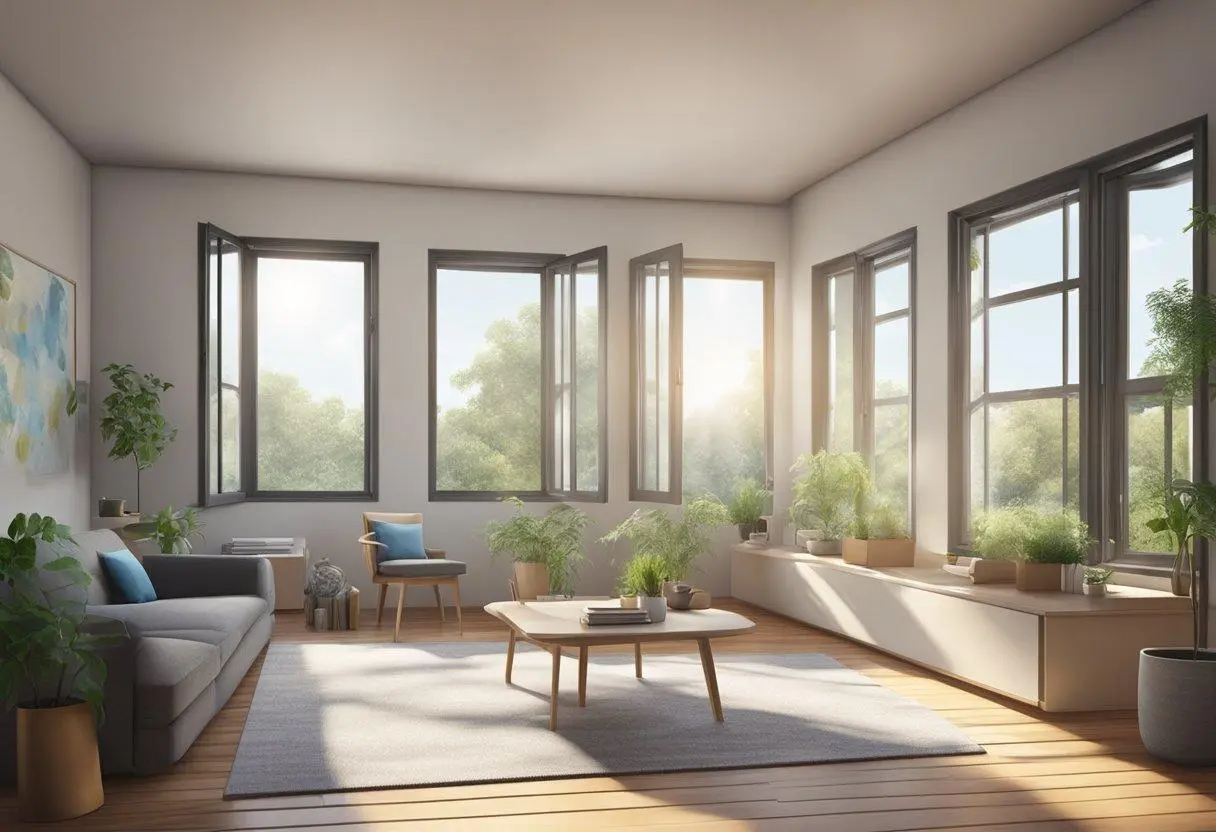
One of the most useful ways to reduce paint odour is to improve ventilation.
When outdoor conditions allow, open windows and doors to encourage fresh air circulation.
Cross-ventilation can help move indoor air outside and introduce fresh air into the room.
For better ventilation:
- Open windows on opposite sides where possible.
- Keep interior doors open when safe.
- Avoid blocking ventilation openings.
- Continue ventilating during and after painting.
- Follow the paint manufacturer's ventilation recommendations.
In apartments, consider nearby construction dust, pollution and outdoor weather conditions before opening windows.
2. Use Fans to Improve Air Circulation
Fans can help improve air movement inside a room.
A fan positioned near an open window may help move indoor air towards the outside.
However, fans should be used safely and according to the paint manufacturer's instructions.
Do not use electrical equipment in areas where flammable solvent vapours may be present unless the equipment is suitable for that environment.
Avoid pointing a strong fan directly at wet paint because this may cause uneven drying or disturb dust onto the surface.
3. Choose Low-VOC Paint Products
Paint selection can influence indoor air quality.
Some paint manufacturers offer low-VOC and low-odour products designed for interior applications.
Before buying paint, check:
- VOC information on the product label
- Indoor-use suitability
- Manufacturer specifications
- Application instructions
- Recommended ventilation requirements
- Safety precautions
Do not assume that every water-based paint is automatically VOC-free.
If someone in the household is particularly sensitive to paint emissions, discuss suitable product choices with the manufacturer or a qualified professional before painting.
4. Allow Paint to Dry Properly
Paint drying and curing are not the same process.
Drying generally refers to the stage when the coating becomes sufficiently dry to touch or receive another coat.
Curing involves the coating developing its intended final properties over a longer period.
The time required depends on the product and environmental conditions.
Do not rush the process by closing all windows immediately after painting.
Follow the recommended drying and ventilation instructions provided by the paint manufacturer.
5. Keep Children and Pets Away from Freshly Painted Rooms
Children and pets may spend considerable time close to walls and floors.
For this reason, newly painted rooms should remain inaccessible until the paint has dried sufficiently and the manufacturer's re-entry guidance has been followed.
Additional precautions include:
- Keeping children away from wet paint.
- Preventing pets from licking painted surfaces.
- Storing paint containers securely.
- Removing paint-related materials from accessible areas.
- Avoiding unnecessary exposure to strong paint odours.
People with asthma, allergies or other respiratory sensitivities should take additional care and follow appropriate medical guidance.
6. Avoid Using Fragrances to Hide Paint Smell
Room fresheners, perfumes and scented candles may temporarily mask the smell of paint.
However, they do not remove paint emissions from the air.
Some fragrance products may introduce additional substances into the indoor environment.
Instead of covering the smell, focus on ventilation, appropriate paint selection and following product safety instructions.
7. Keep the Room Clean
Dust and painting residue can make a recently renovated room feel less comfortable.
After the paint has dried sufficiently:
- Remove protective sheets.
- Clean the floor.
- Remove masking tape carefully.
- Clean window surfaces.
- Remove unused painting materials.
- Dispose of paint waste according to local requirements.
Do not wash newly painted walls before the paint manufacturer recommends it.
8. Understand the Difference Between Low-Odour and Low-VOC Paint
These terms are related but not identical.
Low-odour paint refers to a product designed to have a less noticeable smell.
Low-VOC paint refers to a product with a reduced level of volatile organic compounds compared with relevant alternatives.
A paint product can have a mild smell but still release some emissions.
Homeowners should review technical product information instead of relying only on marketing descriptions.
9. Consider Patna's Weather Conditions
Weather conditions can influence how paint dries and how indoor air circulates.
In Patna, summer temperatures, monsoon humidity and winter ventilation conditions may affect painting schedules.
During humid weather, paint may take longer to dry.
During very hot conditions, follow the product's recommended application temperature rather than assuming that faster drying is always better.
Plan the painting schedule around suitable weather and adequate ventilation.
10. When Is a Room Ready to Use Again?
There is no universal waiting period for every type of paint.
Some products become touch-dry relatively quickly, while others need more time before the room is suitable for normal use.
Consider:
- Product-specific drying instructions
- Recommended ventilation
- Number of coats applied
- Room size
- Humidity
- Temperature
- Household health requirements
Always follow the paint manufacturer's re-entry guidance.
If strong odour persists unexpectedly or occupants experience irritation, leave the room, improve ventilation if safe and seek appropriate professional advice.
Choose the Right Paint with PaintGen
A comfortable painting experience begins with selecting suitable products and following the correct application process.
PaintGen helps homeowners in Patna plan interior and exterior painting projects, understand paint options and arrange professional painting services.
Before starting a project, discuss the paint formulation, room ventilation, number of coats and recommended drying conditions.
A beautiful home should also be a comfortable home. Good product selection and proper ventilation can help make the transition after painting easier.
Questions people ask
How long does paint smell last after painting?
It depends on the paint formulation, ventilation, room size and environmental conditions. Some odours reduce within hours, while others may remain noticeable for several days. Follow the manufacturer's ventilation guidance.
Does opening windows help remove paint smell?
Yes. When outdoor conditions are suitable, opening windows and doors can improve ventilation and help reduce indoor paint odour.
Is low-VOC paint completely odour-free?
No. Low-VOC paints may still have some odour and emissions. Check the product specifications before purchasing.
Can I sleep in a room immediately after painting?
Do not assume that a room is ready for overnight use as soon as the paint feels dry. Follow the manufacturer's drying, ventilation and re-entry recommendations.
Last updated 24 November 2026.