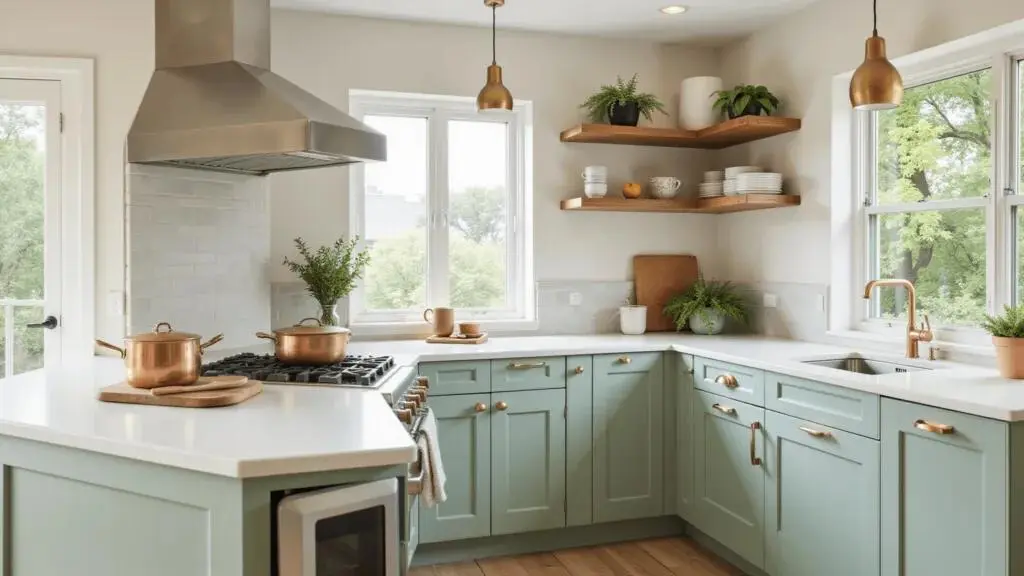
The kitchen is one of the most frequently used spaces in a home. Its cabinets, cupboards and storage units experience regular handling, cooking-related stains and everyday wear.
Over time, cabinet doors may lose their original appearance. Their colours can look outdated, surfaces may become scratched and older finishes may appear dull.
However, replacing every cabinet is not always necessary.
If the existing cabinets are structurally sound and suitable for refinishing, painting may offer an alternative way to refresh their appearance.
Kitchen cabinet painting allows homeowners to experiment with new colours, coordinate storage units with countertops and create a more updated interior.
The success of the project depends on selecting compatible products and preparing the cabinet surfaces correctly.
This guide explains kitchen cabinet painting ideas, suitable paint options, preparation methods and maintenance tips.
WHY SHOULD YOU CONSIDER KITCHEN CABINET PAINTING?
Kitchen cabinets occupy a significant amount of visible space.
Changing their appearance can influence the overall look of the kitchen.
Cabinet painting may help:
- Refresh faded cabinet doors.
- Update an older colour scheme.
- Coordinate cabinets with countertops.
- Create a modern kitchen appearance.
- Improve the visual consistency of the interior.
- Retain suitable existing cabinet structures.
However, painting is not appropriate for every cabinet.
Cabinets with severe swelling, water damage, delamination or structural deterioration may require repairs or replacement.
Inspect the material before choosing a finishing method.
- HOW TO CHECK WHETHER YOUR KITCHEN CABINETS CAN BE PAINTED
Before beginning, identify the cabinet material.
Solid wood
Wooden cabinet doors may be suitable for repainting when the surface is structurally sound.
Plywood
Suitable plywood surfaces can be painted using a compatible preparation and coating system.
MDF
Medium-density fibreboard may be paintable, depending on its condition and existing finish.
Laminated cabinets
Laminate surfaces generally require specialist preparation and products designed for adhesion to the particular surface.
Previously painted cabinets
The existing coating should be inspected to determine whether it is stable and compatible with the new system.
Do not assume that every cabinet material can be painted using ordinary wall paint.
- BEST COLOURS FOR KITCHEN CABINET PAINTING
Cabinet colours should coordinate with the countertop, backsplash, flooring and kitchen lighting.
White
White cabinets create a clean and bright appearance.
They work well with many countertop materials.
Sage Green
Sage green is a subtle option for homeowners who prefer a natural-looking kitchen.
Navy Blue
Navy blue can create a bold appearance, especially when combined with lighter countertops.
Light Grey
Light grey provides a contemporary neutral option.
Beige
Beige cabinets can create a warm interior.
Charcoal Grey
Charcoal grey can work as a contrasting colour in modern kitchens.
Muted Olive
Muted olive can create an earthy appearance when coordinated with suitable wall and countertop colours.
- TWO-COLOUR KITCHEN CABINET IDEAS
Two-colour cabinet combinations can create visual interest.
Consider:
White upper cabinets with navy lower cabinets
This combination creates a contrast between the upper and lower sections.
Cream upper cabinets with sage green lower cabinets
A softer natural colour palette.
White cabinets with grey island units
Useful for kitchens with a separate island.
Beige cabinets with dark brown accents
A warmer design approach.
Light grey upper cabinets with charcoal lower cabinets
A contemporary combination.
Before finalising a palette, test colour samples under the kitchen's actual lighting.
- WHICH PAINT IS SUITABLE FOR KITCHEN CABINETS?
Kitchen cabinets require coatings that are suitable for the cabinet substrate and expected use.
Potential options include:
Specialist cabinet coatings
Products designed specifically for cabinetry may be suitable for certain substrates.
Water-based enamel
Some water-based enamel products are designed for compatible wood or other surfaces.
Suitable wood coatings
For wooden cabinet doors, specialist coatings may be considered according to the desired finish.
Primers
A compatible primer may be needed to improve adhesion and prepare the substrate.
The correct coating system depends on whether the cabinet is solid wood, MDF, laminate or another material.
Check product instructions for cleaning resistance, curing time and suitability for kitchen applications.
- HOW TO PREPARE KITCHEN CABINETS BEFORE PAINTING
Preparation is especially important because kitchen surfaces can accumulate grease and cooking residue.
Step 1: Empty the cabinets
Remove items stored inside the cabinets.
Step 2: Remove hardware
Where practical, remove handles, knobs and hinges.
Step 3: Label the components
Label doors and fittings to make reassembly easier.
Step 4: Clean the surfaces
Remove grease, dust and dirt using an appropriate cleaning method.
Step 5: Inspect the material
Check for swelling, scratches, loose laminate and surface damage.
Step 6: Prepare the existing coating
Use a preparation method compatible with the substrate and existing finish.
Step 7: Repair suitable defects
Address minor imperfections using compatible repair materials.
Step 8: Apply suitable primer
Use a product recommended for the specific cabinet material.
Allow adequate drying between stages.
- HOW TO PAINT KITCHEN CABINET DOORS
Once the preparation is complete, the painting process can begin.
Arrange the cabinet doors on a clean and suitable working surface.
Apply the selected coating according to the manufacturer's instructions.
Use suitable brushes, rollers or spray equipment.
Pay attention to corners, edges and decorative sections.
Avoid applying excessively thick coats.
Allow the recommended drying and recoating intervals.
Inspect each door for uneven coverage and missed sections.
The coating may require additional curing time before normal handling and cleaning.
- SHOULD KITCHEN CABINETS BE SPRAY PAINTED OR BRUSH PAINTED?
Both methods may be suitable depending on the cabinet design and product.
Spray application
Potential benefits include:
- Smooth-looking finish.
- Suitable application on certain detailed surfaces.
- Consistent appearance when correctly applied.
However, spray application requires suitable equipment, masking and controlled working conditions.
Brush and roller application
Potential benefits include:
- Accessibility.
- Suitability for smaller projects.
- Less specialised equipment.
The selected brush or roller should be appropriate for the coating.
The best method depends on the material, desired appearance and project conditions.
- HOW TO COORDINATE CABINET COLOURS WITH THE KITCHEN INTERIOR
Cabinet painting should be planned as part of the overall kitchen design.
Consider the following:
Countertop
Choose cabinet colours that complement the countertop pattern and shade.
Backsplash
Avoid combinations that create excessive visual contrast.
Flooring
Consider the colour and texture of the kitchen floor.
Handles
Metallic, black and other hardware finishes can influence the overall appearance.
Lighting
Evaluate the selected colour under both daylight and artificial lighting.
Walls
Coordinate cabinet shades with the kitchen wall colour.
A consistent colour palette can help create a more balanced kitchen.
- COMMON KITCHEN CABINET PAINTING MISTAKES
Skipping degreasing
Kitchen grease can interfere with coating adhesion.
Painting over damaged laminate
Loose or swollen laminate requires assessment and repair.
Using ordinary wall paint
Wall paint may not be appropriate for cabinet substrates and handling conditions.
Ignoring primer compatibility
The primer should suit both the substrate and finishing coating.
Reassembling too early
Follow the manufacturer's handling and curing instructions.
Ignoring cabinet edges
Edges and corners need careful preparation and coating.
- HOW TO MAINTAIN PAINTED KITCHEN CABINETS
Proper maintenance can help preserve the appearance of painted cabinets.
Useful practices include:
- Clean suitable surfaces regularly.
- Wipe spills promptly.
- Avoid abrasive cleaning tools.
- Prevent prolonged moisture exposure.
- Avoid excessive impact.
- Check cabinet edges periodically.
- Follow the coating manufacturer's cleaning instructions.
Avoid harsh chemicals unless the product manufacturer confirms their suitability.
- WHEN SHOULD YOU REPLACE CABINETS INSTEAD OF PAINTING?
Painting is not always the best solution.
Consider replacement or professional repair when:
- Cabinet boards have severe swelling.
- The cabinet structure is unstable.
- There is extensive water damage.
- Laminate is extensively separating.
- Hinges and mounting areas are damaged.
- The cabinet layout no longer meets household requirements.
An inspection can help determine whether refinishing is appropriate.
- KITCHEN CABINET PAINTING FOR HOMES IN PATNA
Homeowners in Patna planning kitchen renovations can consider cabinet repainting when the existing cabinet structure remains suitable.
Before choosing colours, inspect the cabinet material and discuss the appropriate preparation and coating system.
Consider the kitchen's ventilation, cleaning requirements and exposure to moisture and cooking residue.
PaintGen offers painting and home improvement solutions for residential properties.
Visit https://www.paintgen.in/ to explore available services and discuss your home improvement requirements.
FINAL THOUGHTS
Kitchen cabinet painting can change the appearance of an existing kitchen without necessarily replacing every storage unit.
The key is to inspect the cabinet material, remove grease, prepare the surface and select compatible products.
Choose colours that coordinate with the countertop, flooring and backsplash.
A properly planned cabinet painting project can help give your kitchen a refreshed and more coordinated appearance.
Questions people ask
Can kitchen cabinets be painted instead of replaced?
Yes. Painting may be suitable when existing cabinets are structurally sound and their surfaces can be prepared for a compatible coating system. Severely damaged cabinets may require repair or replacement.
Which colour is best for kitchen cabinets?
White, sage green, navy blue, beige and grey are popular choices. Select a colour that complements the countertop, backsplash, flooring and kitchen lighting.
Can laminate kitchen cabinets be painted?
Some laminate cabinets can be refinished using appropriate surface preparation and specialist adhesion products. The condition and type of laminate should be checked first.
How do I maintain painted kitchen cabinets?
Clean compatible surfaces gently, wipe spills promptly, avoid abrasive materials and follow the coating manufacturer's maintenance instructions.
Last updated 18 November 2026.