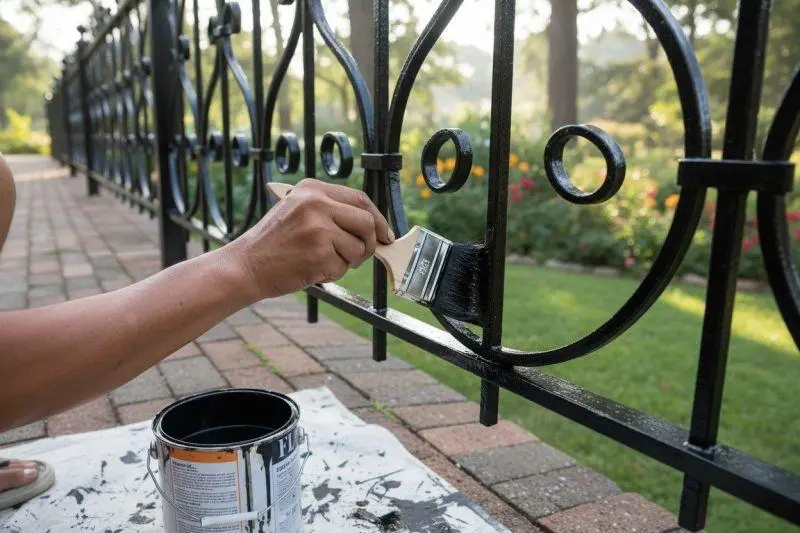
Metal gates, window grills, balcony railings and steel frames are important parts of a home's exterior and interior design.
They provide functional value while also contributing to the overall appearance of a property.
However, metal surfaces are exposed to dust, moisture, sunlight and regular contact. Over time, their coating may become dull, scratched or damaged. In some cases, rust may begin developing on exposed metal.
Painting metal surfaces is not simply about applying a new colour. Proper preparation, corrosion assessment, primer selection and coating application are essential for achieving a suitable finish.
Whether you are renovating an entrance gate, refreshing balcony railings or repainting window grills, understanding the metal painting process can help you make better decisions.
This guide covers metal gate painting, suitable paint types, preparation techniques, anti-rust protection and maintenance.
WHY SHOULD METAL GATES AND GRILLS BE PAINTED?
Metal surfaces require suitable coatings to maintain their appearance and protect them from environmental exposure.
Some important benefits include:
- Improved appearance
A fresh coat of paint can make an old gate or railing look cleaner and more coordinated with the property.
- Corrosion protection
A suitable primer and coating system can help protect compatible metal surfaces against corrosion.
- Better surface maintenance
Painted metal surfaces may be easier to maintain when the correct product has been selected.
- Design flexibility
Metal paints are available in different colours and finishes.
- Restoration of existing structures
Suitable metalwork may be refreshed without replacing the entire structure.
COMMON METAL SURFACES THAT REQUIRE PAINTING
Metal painting may be required for:
- Main entrance gates.
- Window grills.
- Balcony railings.
- Staircase railings.
- Steel doors.
- Metal frames.
- Garden gates.
- Boundary railings.
- Selected outdoor metal fittings.
Different surfaces may require different preparation and coating systems.
TYPES OF PAINT USED FOR METAL GATES AND GRILLS
- Synthetic Enamel Paint
Synthetic enamel is commonly used for selected metal surfaces.
It is available in different colours and sheen levels.
It may be suitable for compatible gates, grills and other metalwork when applied according to product instructions.
- Metal Protective Coatings
Specialised metal coatings are designed for particular substrates and environmental conditions.
The selected product should be suitable for the intended indoor or outdoor application.
- Direct-to-Metal Coatings
Some products are formulated for application directly to prepared metal surfaces.
However, direct-to-metal does not mean that every rusty or contaminated surface can be painted without preparation.
Follow the product's substrate and preparation requirements.
- Decorative Metallic Finishes
Decorative metallic finishes can create distinctive appearances on selected metal surfaces.
These products may be used for architectural detailing and decorative metalwork.
- Anti-Corrosion Coating Systems
Certain coating systems are designed specifically to help protect metal against corrosion.
Their suitability depends on the metal type, exposure conditions and product specifications.
WHAT IS ANTI-RUST PRIMER?
Anti-rust primer is a preparatory coating used in suitable metal painting systems.
It is designed to provide a compatible base for subsequent coatings and may help protect metal against corrosion.
Different primers are available for different metal substrates.
For example, steel and galvanised metal may require different preparation and primer systems.
Do not assume that one metal primer is suitable for every surface.
HOW TO PREPARE A METAL GATE BEFORE PAINTING
Preparation is one of the most important stages of metal painting.
Step 1: Inspect the metal surface
Check for:
- Existing rust.
- Peeling paint.
- Loose coating.
- Scratches.
- Grease.
- Surface contamination.
- Damaged metal sections.
If the structure has significant corrosion or structural damage, repair or replacement may be necessary before painting.
Step 2: Clean the surface
Remove dust, grease, dirt and other contaminants using an appropriate cleaning method.
Allow the surface to dry properly.
Step 3: Remove loose and damaged paint
Unstable paint should be removed using a suitable method.
Step 4: Address rust
Loose rust and corrosion products should be removed using an appropriate preparation technique.
For extensive corrosion, professional assessment may be required.
Step 5: Sand the surface
Suitable sanding helps prepare the metal for the selected coating system.
Step 6: Apply compatible primer
Select a primer suitable for the metal substrate and intended topcoat.
Step 7: Apply metal paint
Apply the selected paint according to its technical specifications.
Step 8: Allow proper drying
Follow the recommended drying and recoating intervals.
Step 9: Inspect the finished surface
Check for missed areas, uneven application and visible coating defects.
BEST COLOURS FOR METAL GATES
Choosing the right gate colour can improve the property's overall appearance.
Matte Black
A popular choice for modern and traditional metal gates.
Charcoal Grey
Suitable for contemporary homes and neutral exterior palettes.
Dark Brown
Can complement wooden doors and warm architectural colours.
White
Creates a clean appearance but may show dirt more visibly.
Bronze
A decorative option for selected traditional and ornamental gates.
Dark Green
Can work well with garden-facing metalwork and certain exterior colour schemes.
The final colour should coordinate with the building facade, entrance door and surrounding design.
HOW TO PAINT METAL WINDOW GRILLS
Window grills require careful preparation because of their narrow sections and decorative details.
The process generally includes:
- Cleaning the grill.
- Removing loose paint.
- Addressing corrosion.
- Sanding suitable areas.
- Applying compatible metal primer.
- Painting all accessible sections.
- Allowing the coating to dry properly.
A brush may be useful for detailed areas, while other application methods may be suitable for larger surfaces.
Protect nearby glass, walls and flooring during painting.
COMMON METAL PAINTING MISTAKES
Painting over loose rust
Unstable corrosion can compromise the coating system.
Skipping cleaning
Grease and dust can affect coating adhesion.
Using an unsuitable primer
Different metal types require compatible products.
Applying paint too thickly
Excessive coating thickness can cause application defects.
Ignoring hidden sections
The underside and joints of metal structures may also require inspection and suitable protection.
Painting before the surface is dry
Moisture and unsuitable environmental conditions can affect the result.
MAINTENANCE TIPS FOR PAINTED METAL GATES
Regular maintenance can help identify coating problems early.
- Clean metal gates periodically.
- Inspect joints and corners.
- Look for scratches and exposed metal.
- Address rust promptly.
- Avoid harsh cleaning materials.
- Check drainage around outdoor metal structures.
- Recoat damaged areas using a compatible system.
Do not wait until corrosion becomes extensive before arranging repairs.
METAL GATE AND GRILL PAINTING IN PATNA
Homeowners in Patna may need to repaint entrance gates, window grills, balconies and boundary railings as part of routine property maintenance.
Outdoor metalwork should be assessed for its exposure to moisture, dust and weather conditions before choosing a coating.
A suitable painting system should consider the metal type, existing coating, corrosion condition and intended finish.
PaintGen provides painting and home improvement solutions for residential properties.
Homeowners planning a larger renovation can also consider how metalwork colours coordinate with their exterior wall colours and entrance design.
Visit https://www.paintgen.in/ to explore available painting services and discuss your requirements.
FINAL THOUGHTS
Metal gate and grill painting requires more than a fresh coat of colour.
Proper cleaning, rust removal, surface preparation, compatible primer and suitable paint are essential parts of the process.
Selecting the correct products for the metal type and environmental exposure can help maintain the appearance and protection of residential metalwork.
Before repainting your gate or window grills, inspect the existing coating and address corrosion properly.
For painting and home improvement solutions, explore PaintGen.in.
Questions people ask
Which paint is best for metal gates?
Suitable synthetic enamel, specialised metal coatings and other compatible protective systems can be used for metal gates. The selection depends on the metal type, exposure conditions and desired finish.
Is anti-rust primer necessary before painting a metal gate?
A compatible anti-corrosion primer is commonly used as part of metal painting systems. The exact requirement depends on the substrate and the selected coating manufacturer's recommendations.
Can I paint directly over rust?
Loose and unstable rust should not simply be covered with ordinary paint. Prepare the surface according to the selected coating system and use an appropriate rust-treatment or primer product where required.
How can I maintain a painted metal gate?
Clean it periodically, inspect for scratches and exposed metal, address corrosion early and repair damaged coatings using compatible products.
Last updated 10 November 2026.