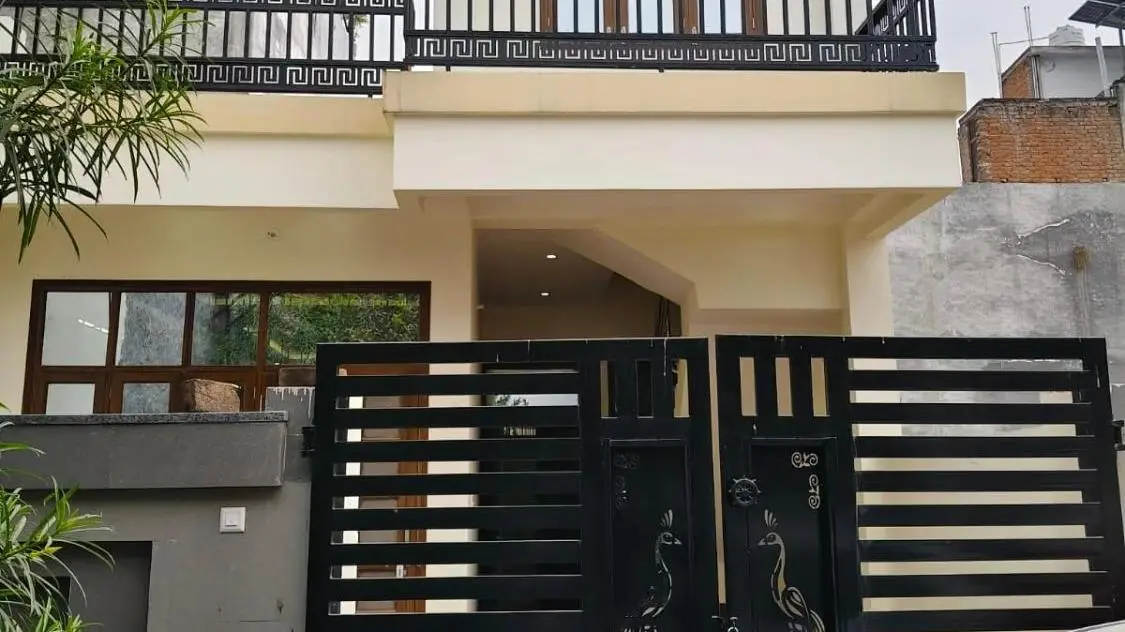
The main entrance gate is one of the most noticeable exterior features of a residential property.
It contributes to the overall appearance of the house while also serving an important functional purpose.
However, metal gates are regularly exposed to outdoor conditions. Sunlight, rain, dust and moisture can gradually affect their surface coatings.
Over time, paint may fade, peel or develop visible damage. On iron and steel gates, exposed metal may also develop rust.
Repainting can refresh the appearance of a gate and provide a new coating system when the surface is prepared correctly.
Whether you have a decorative iron gate, a steel sliding gate or a simple metal entrance gate, choosing appropriate materials is essential.
This guide explains metal gate painting, paint selection, rust preparation, colour combinations and maintenance.
WHY IS METAL GATE PAINTING IMPORTANT?
Metal gates experience different conditions from interior wooden doors or walls.
They may be exposed to:
- Rainwater.
- Humidity.
- Direct sunlight.
- Dust.
- Pollution.
- Physical contact.
- Scratches.
- Corrosion.
A suitable coating system can help protect compatible metal surfaces from environmental exposure.
Repainting can also:
- Refresh an old entrance gate.
- Improve exterior appearance.
- Cover suitable cosmetic defects.
- Coordinate the gate with the boundary wall.
- Maintain the appearance of metal components.
However, severe corrosion or structural damage should be assessed separately from ordinary repainting.
- IDENTIFY THE TYPE OF METAL GATE
Before selecting paint, identify the gate material.
Iron gates
Traditional iron gates may have decorative patterns and multiple joints.
Steel gates
Steel gates are commonly used in modern residential entrances.
Galvanised metal gates
These require particular attention to product compatibility and surface preparation.
Previously painted gates
The existing coating must be inspected before applying a new paint system.
Different metal surfaces may require different primers and preparation methods.
- WHICH PAINT IS SUITABLE FOR METAL GATES?
The paint should be specifically suitable for the gate material and exterior exposure.
Metal enamel paint
Suitable metal enamel products are commonly used for residential metal surfaces.
They may be available in different finishes.
Direct-to-metal coatings
Certain products are designed for application directly to properly prepared metal.
Their suitability depends on the substrate and product instructions.
Specialist exterior metal coatings
Some coatings are designed for particular environmental or corrosion-related requirements.
Primer
A suitable metal primer may be necessary to prepare the surface and support the finishing coat.
Always check compatibility between the primer and topcoat.
- BEST METAL GATE COLOUR IDEAS
The gate colour should complement the main house exterior and boundary wall.
Matte Black
A popular choice for modern residential entrances.
Charcoal Grey
Creates a contemporary appearance.
Dark Brown
Can coordinate with traditional exterior designs.
White
Provides a bright appearance but may require more frequent cleaning depending on exposure.
Dark Green
Can work with traditional or garden-inspired exterior designs.
Bronze
Can create a decorative metallic appearance when an appropriate product is selected.
Silver Grey
A practical-looking option for selected steel gate designs.
- MODERN METAL GATE COLOUR COMBINATIONS
Consider these combinations:
Black gate with white boundary wall
A high-contrast modern appearance.
Charcoal gate with cream exterior walls
A balanced combination.
Dark brown gate with beige compound wall
Suitable for warmer traditional designs.
Bronze gate with off-white boundary wall
A decorative exterior approach.
Grey gate with white pillars
A simple contemporary design.
Choose colours based on the existing exterior palette rather than selecting them independently.
- HOW TO IDENTIFY RUST ON A METAL GATE
Rust develops when susceptible metal reacts with oxygen and moisture.
Visible signs may include:
- Orange-brown patches.
- Flaking metal coatings.
- Rough surface areas.
- Corrosion around joints.
- Rust near hinges.
- Discolouration near the bottom edge.
Early surface corrosion may sometimes be addressed through suitable preparation and coating.
However, deep corrosion, perforation or weakened metal sections require assessment and possibly repair or replacement.
Painting alone cannot restore lost metal strength.
- HOW TO PREPARE A METAL GATE BEFORE PAINTING
Surface preparation is one of the most important stages.
Step 1: Inspect the gate
Check for corrosion, damaged paint and structural defects.
Step 2: Clean the surface
Remove dirt, dust, grease and other contaminants using suitable methods.
Step 3: Remove loose coatings
Unstable paint should be removed appropriately.
Step 4: Address corrosion
Remove rust using a suitable preparation method recommended for the substrate and coating system.
Step 5: Smooth the prepared areas
Prepare the surface according to the product instructions.
Step 6: Remove dust
Ensure the surface is clean before applying primer.
Step 7: Apply compatible metal primer
Choose the correct primer for the metal type and exposure conditions.
Step 8: Allow proper drying
Follow the product's recommended drying interval.
Use appropriate safety precautions during mechanical preparation. Older coatings may contain hazardous substances and should not be disturbed without suitable assessment.
- HOW TO PAINT A METAL GATE STEP BY STEP
After preparing the gate, follow the recommended coating process.
First, protect the surrounding flooring, walls and nearby surfaces.
Apply the selected metal primer according to the product instructions.
Allow the primer to dry adequately.
Apply the first finishing coat using an appropriate brush, roller or spray method.
Pay attention to joints, corners and decorative sections.
Allow the first coat to dry.
Apply additional coats as recommended.
Inspect the gate for missed areas and uneven coverage.
Ensure that moving parts and hinges are not obstructed by excessive paint.
- SPRAY PAINTING VS BRUSH PAINTING FOR METAL GATES
Both techniques may be suitable.
Spray painting
Potential benefits include:
- Consistent application on intricate designs.
- Access to detailed decorative sections.
- A smooth-looking finish when properly applied.
It requires suitable equipment, ventilation and protection of surrounding surfaces.
Brush painting
Potential benefits include:
- Practical application for smaller areas.
- Access to corners and edges.
- Less specialised equipment.
A suitable brush should be selected according to the coating.
The best method depends on the gate design, product and working conditions.
- HOW TO PREVENT RUST ON METAL GATES
Rust prevention begins with appropriate material selection and surface preparation.
Useful practices include:
- Inspect the gate periodically.
- Repair damaged coatings promptly.
- Prevent unnecessary water accumulation.
- Maintain suitable drainage near the gate.
- Address scratches that expose metal.
- Use compatible primers and finishing coats.
- Keep joints and difficult areas under observation.
- Follow the coating manufacturer's maintenance guidance.
For gates in more demanding environments, consider a coating system specifically designed for the expected exposure.
- COMMON METAL GATE PAINTING MISTAKES
Painting directly over rust
Loose corrosion should be addressed before repainting.
Skipping primer
Some metal surfaces require a compatible primer.
Using interior paint outdoors
Select products designed for exterior metal applications.
Ignoring joints
Decorative sections and corners require attention.
Applying thick coats
Excessive coating thickness can create uneven results.
Painting damp surfaces
Follow the product's surface moisture requirements.
Ignoring damaged metal
Structural corrosion requires more than repainting.
- HOW TO MAINTAIN A PAINTED METAL GATE
A regular inspection can help identify problems early.
Check for:
- Scratched paint.
- Peeling coatings.
- Rust around hinges.
- Corrosion near the bottom.
- Loose fittings.
- Water accumulation.
- Damaged joints.
Clean suitable surfaces using methods recommended for the coating.
Address coating damage before corrosion spreads.
- METAL GATE PAINTING FOR HOMES IN PATNA
Residential gates in Patna can experience dust, seasonal rainfall and changing outdoor conditions.
Homeowners planning to repaint their gates should inspect the metal surface carefully before choosing a coating.
Pay particular attention to the bottom edges, hinges and joints where moisture and dirt may accumulate.
Choose an exterior-compatible primer and finishing system according to the metal type.
PaintGen offers painting and home improvement solutions for residential properties.
Visit https://www.paintgen.in/ to explore available services and discuss your painting requirements.
FINAL THOUGHTS
Metal gate painting is an effective way to refresh an entrance and maintain the appearance of exterior metal surfaces.
The most important steps are identifying the metal type, addressing corrosion, preparing the surface and choosing compatible primer and paint products.
A suitable coating system and regular maintenance can help preserve the gate's appearance.
Questions people ask
Which paint is best for an iron gate?
A suitable exterior metal enamel or specialist metal coating can be used on an iron gate. The correct primer and preparation method depend on the metal condition and selected paint system.
Can I paint a metal gate without removing rust?
Loose rust and unstable corrosion should be addressed before repainting. Some specialist products have specific rust-treatment applications, but their instructions must be followed carefully.
Which colour is best for a metal entrance gate?
Black, charcoal grey, dark brown, bronze and dark green are popular choices. Select a colour that complements the house exterior and boundary wall.
How can I prevent rust on a painted metal gate?
Inspect the gate regularly, repair damaged coatings, use compatible primers and exterior metal paints, and prevent unnecessary water accumulation around the gate.
Last updated 18 November 2026.