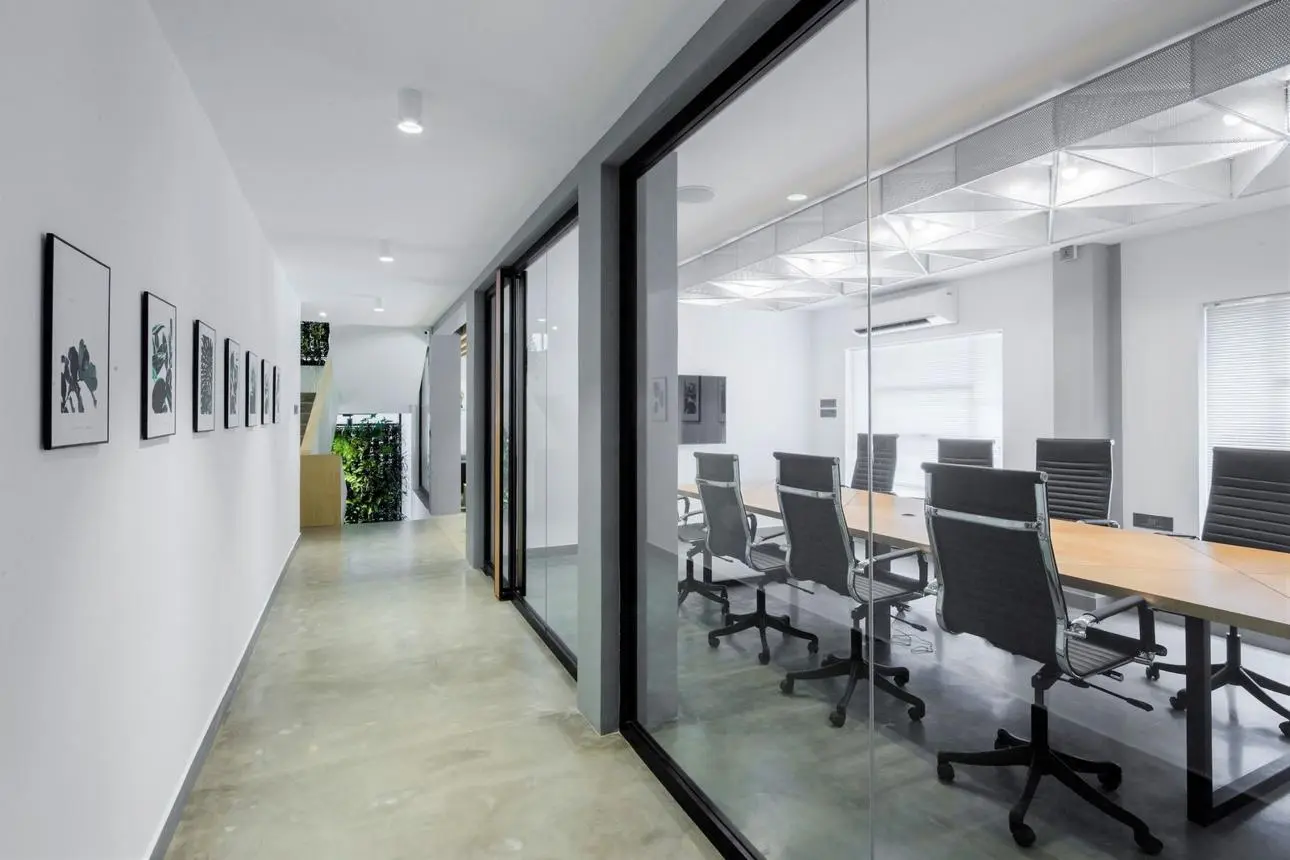
The appearance of an office plays an important role in creating a comfortable and organised working environment.
Walls, ceilings, reception areas and meeting rooms all contribute to the overall impression of a workplace.
Over time, office walls may develop marks, discolouration and surface damage due to regular use. A well-planned painting project can refresh the workspace and create a more consistent interior appearance.
However, office painting requires a different approach from painting a typical residential room.
Businesses may need to consider employee movement, working hours, furniture protection, meeting schedules, colour selection and the practical requirements of different work areas.
This guide explains office painting ideas, colour combinations, suitable paint finishes and the steps involved in planning a commercial painting project.
WHY IS OFFICE PAINTING IMPORTANT?
A well-maintained office can support a professional and organised workplace environment.
Office painting can help:
- Refresh older interiors.
- Improve the visual appearance of workspaces.
- Create a consistent brand-related colour scheme.
- Improve the appearance of reception areas.
- Update meeting rooms.
- Address visible wall defects.
- Coordinate different office sections.
Painting should be considered as part of broader workplace maintenance rather than only a decorative activity.
- HOW TO CHOOSE THE RIGHT OFFICE WALL COLOURS
Office colours should complement the business environment, lighting and interior design.
White
White creates a clean and simple appearance.
It can work well in offices with limited natural light and contemporary furniture.
Light Grey
Light grey provides a neutral background and can coordinate with glass partitions, metal fixtures and modern furniture.
Beige
Beige introduces warmth without creating a visually strong colour statement.
Blue
Blue can be used as an accent colour in selected office areas.
Its suitability depends on the overall design and business identity.
Green
Muted green tones can introduce a natural visual element into an office.
Navy Blue
Navy blue can create a strong accent when used carefully.
It may be suitable for reception walls, meeting rooms or selected feature areas.
The best office colour scheme depends on the organisation's preferences and the intended atmosphere.
- OFFICE RECEPTION AREA PAINTING IDEAS
The reception area is often the first interior space visitors see.
Its appearance should coordinate with the company's visual identity.
Consider:
- Neutral background colours.
- A carefully selected feature wall.
- Coordinated wall and ceiling colours.
- Suitable decorative finishes.
- A consistent colour relationship with signage and furniture.
If brand colours are used, they should be incorporated in a balanced way.
Avoid excessive use of bright colours across every wall.
- MEETING ROOM PAINTING IDEAS
Meeting rooms are used for discussions, presentations and collaborative activities.
Their colour scheme should support the overall office design without creating unnecessary visual distraction.
Suitable ideas include:
- Soft grey walls.
- Warm neutral shades.
- Muted blue accents.
- Simple feature walls.
- Coordinated ceiling colours.
Consider lighting and screen placement before choosing highly reflective finishes.
- WORKSTATION AREA PAINTING
Workstation areas often cover the largest portion of an office.
A coordinated neutral palette can help maintain a consistent appearance.
Consider the following:
- Select colours that complement office furniture.
- Avoid excessive visual contrast.
- Check how natural and artificial lighting affect the wall colours.
- Choose finishes according to cleaning requirements.
- Inspect high-contact areas regularly.
- SELECTING THE RIGHT PAINT FINISH FOR OFFICES
Different office areas have different maintenance needs.
Matte Finish
Matte paint provides a low-reflection appearance.
It can be suitable for walls where a subtle finish is preferred.
Satin Finish
Satin finishes have a slight sheen and may be suitable for areas where regular cleaning is expected, depending on the product.
Semi-Gloss Finish
Some semi-gloss products are suitable for selected high-contact or trim surfaces.
Specialised Coatings
Certain offices may require coatings with additional performance characteristics.
Always choose products based on the substrate, application area and manufacturer specifications.
- OFFICE PAINTING PLANNING: WHAT SHOULD BUSINESSES CONSIDER?
A commercial painting project should begin with a site assessment.
Inspect the office
Identify the rooms, walls and ceilings included in the work.
Determine the required preparation
Check for cracks, damaged paint, surface stains and moisture.
Finalise the colour scheme
Select the colours before purchasing paint.
Choose suitable materials
Consider paint finish, durability and maintenance.
Prepare a work schedule
Coordinate painting with business activities.
Protect office equipment
Plan suitable protection for computers, furniture, flooring and electrical equipment.
Arrange ventilation
Follow the paint manufacturer's ventilation and occupancy instructions.
- HOW TO PAINT AN OFFICE WITHOUT UNNECESSARY WORKPLACE DISRUPTION
Painting may affect regular business operations if it is not properly scheduled.
Businesses can consider:
After-hours work
Some projects may be scheduled outside regular office hours, subject to contractor availability.
Section-wise painting
Dividing the project into sections may allow other office areas to remain accessible.
Weekend scheduling
Weekend work may be suitable for certain commercial projects.
Furniture protection
Protect desks, chairs, computers and other equipment.
Access planning
Coordinate access to meeting rooms, reception areas and common passages.
Drying and ventilation
Ensure that areas are not occupied until the product's instructions permit it.
The actual schedule depends on project size, work scope and contractor arrangements.
- PREPARING OFFICE WALLS BEFORE PAINTING
Surface preparation is important for achieving a suitable finish.
A typical preparation process may involve:
- Inspecting the wall condition.
- Removing loose or unstable coatings.
- Cleaning dust and dirt.
- Repairing suitable surface defects.
- Sanding where required.
- Applying putty where necessary.
- Applying compatible primer.
- Applying finishing coats.
The exact sequence should follow the selected paint system and the condition of the existing surface.
- COMMON OFFICE PAINTING MISTAKES
Choosing colours without considering office lighting
Always assess colour samples under the actual lighting conditions.
Ignoring surface preparation
Damaged surfaces can affect the final appearance.
Using unsuitable paint
Different surfaces require compatible products.
Painting without a schedule
Unplanned work can disrupt employees and visitors.
Ignoring ventilation
Proper ventilation is important during application and drying.
Failing to protect equipment
Furniture and electronic equipment should be protected appropriately.
Not checking the completed work
Inspect walls, corners, edges and agreed work areas before handover.
- OFFICE PAINTING BUDGET: WHAT AFFECTS THE COST?
The cost of office painting depends on several project-specific factors.
These may include:
- Total paintable wall area.
- Ceiling area.
- Existing wall condition.
- Number of preparation layers.
- Selected paint category.
- Number of coats.
- Height of the walls.
- Accessibility.
- Furniture protection requirements.
- Working-hour arrangements.
- Special decorative finishes.
A proper quotation should identify the included work and materials.
Avoid relying on a single per-square-foot estimate without understanding what it covers.
- OFFICE PAINTING FOR BUSINESSES IN PATNA
Businesses in Patna may need painting services when setting up new offices, renovating existing workplaces or refreshing commercial interiors.
Different commercial spaces can have different requirements.
For example:
- Small office interiors may require a simple neutral colour scheme.
- Reception areas may benefit from coordinated feature walls.
- Meeting rooms may require a consistent visual design.
- Larger workplaces may need phased painting arrangements.
Before starting, prepare a list of the areas to be painted and the expected work schedule.
PaintGen provides painting and home improvement solutions.
Businesses should verify the availability of commercial painting services, project scope and scheduling directly with PaintGen before publishing or confirming any service arrangement.
Visit https://www.paintgen.in/ to explore available services and discuss your requirements.
FINAL THOUGHTS
Office painting is an opportunity to refresh a workplace and create a more consistent interior environment.
Choosing appropriate colours, finishes and preparation methods can help improve the appearance of reception areas, meeting rooms and workstations.
The most successful projects begin with proper planning, clear work specifications and suitable scheduling.
If you are planning an office renovation, assess the space, finalise your colour palette and organise the painting work around your business requirements.
Questions people ask
Which colour is best for office walls?
White, light grey, beige and muted blue are common office colour options. The right choice depends on office lighting, furniture, brand identity and the desired interior appearance.
What type of paint is suitable for office interiors?
Suitable interior emulsion and washable paint products can be considered depending on the wall surface, maintenance requirements and desired finish. Follow the manufacturer's product recommendations.
How can an office be painted without disturbing employees?
Consider section-wise painting, suitable after-hours scheduling, furniture protection and proper ventilation. Allow painted areas to dry according to product instructions before reoccupation.
What affects the cost of office painting?
Office painting costs depend on paintable area, wall condition, preparation requirements, paint selection, number of coats, accessibility and project scheduling.
Last updated 14 November 2026.