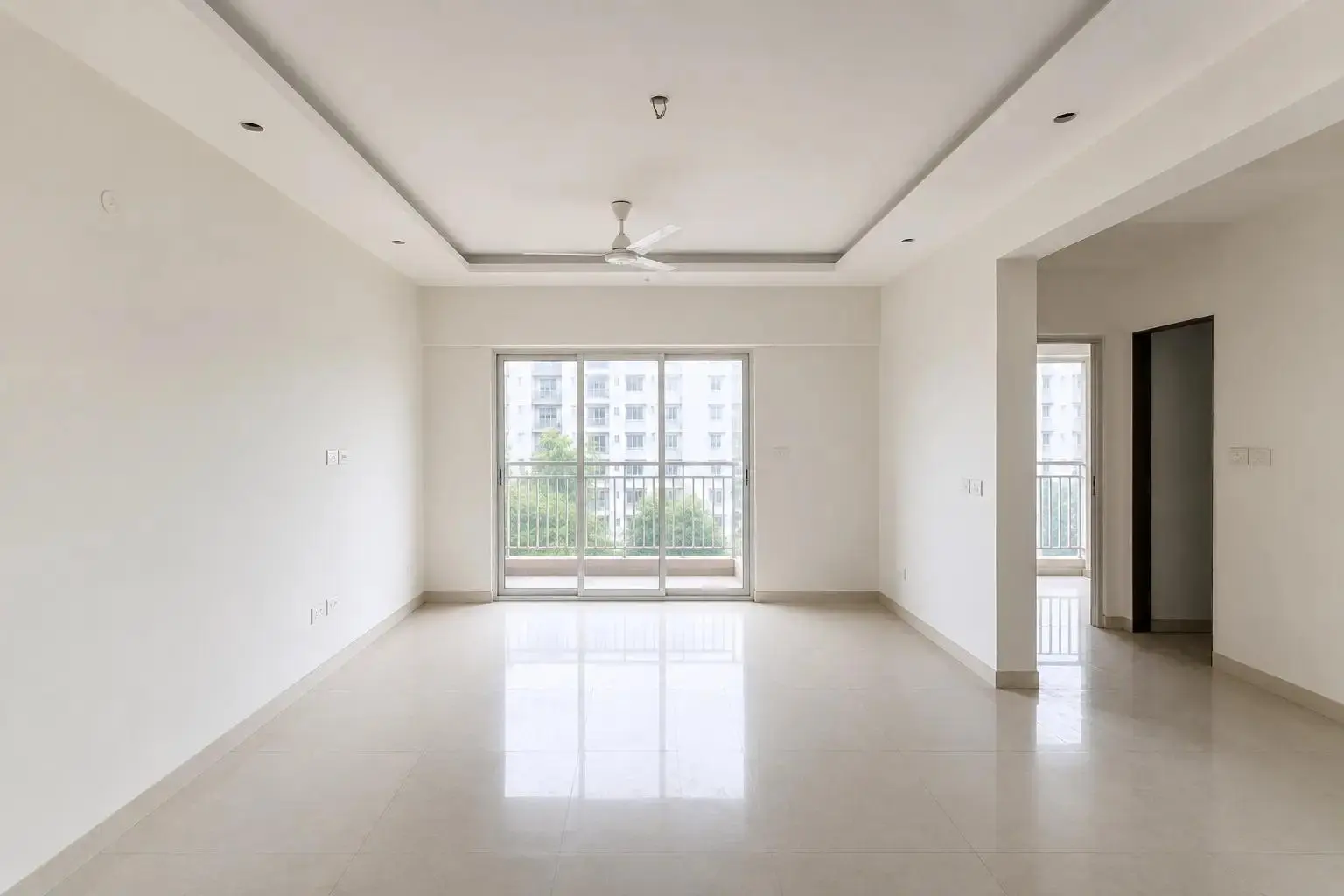
Preparing a property for new tenants involves more than cleaning the floors and checking the electrical fittings. The condition of the walls also plays an important role in creating a welcoming first impression.
Over time, rental properties can develop wall marks, scratches, faded paint and other signs of regular use. These issues may make an otherwise well-maintained property look older than it actually is.
Whether you own a rental apartment, manage an independent house or are preparing to move into a rented property, understanding rental property painting can help you make better decisions.
A well-planned repainting project can refresh the appearance of a property, improve its presentation and make future maintenance easier.
This guide explains how landlords and tenants can approach rental house painting, choose suitable colours, prepare walls and organise the work.
WHY IS PAINTING IMPORTANT FOR RENTAL PROPERTIES?
Paint condition influences the overall appearance of a rental property.
When potential tenants visit a house, they often notice the walls, ceilings, doors and common areas before examining smaller decorative details.
Fresh and properly maintained paint can help:
- Create a cleaner-looking interior.
- Improve property presentation.
- Cover suitable cosmetic marks.
- Refresh older rooms.
- Maintain a consistent interior appearance.
- Prepare a property for new occupants.
Painting is also an opportunity to inspect the walls for cracks, dampness and other problems that may need attention.
- WHEN SHOULD A RENTAL PROPERTY BE REPAINTED?
There is no single repainting schedule suitable for every rental property.
The requirement depends on the existing paint condition, property usage, maintenance history and the quality of previous work.
Consider repainting when:
Walls have visible marks
Frequent contact can leave fingerprints, scuffs and stains.
Paint has faded
Some wall coatings may lose their original appearance over time.
There are peeling patches
Loose or deteriorated coatings should be investigated and repaired.
The property is being prepared for new tenants
A fresh appearance can help improve the presentation of the property.
The interior has undergone repairs
Wall repairs may require localised repainting or a larger finishing project.
- BEST PAINT COLOURS FOR RENTAL PROPERTIES
When selecting colours for a rental house, practicality should be considered alongside appearance.
Neutral colours are often useful because they work with different furniture styles and personal preferences.
White
White creates a simple, bright interior.
It can make smaller rooms feel more open, although some shades may show dirt more easily.
Cream
Cream provides a warmer alternative to pure white.
It can work well in bedrooms and living rooms.
Light Beige
Beige creates a neutral and welcoming atmosphere.
It can coordinate with wooden furniture and different flooring materials.
Light Grey
Light grey offers a contemporary appearance and works with many modern interior styles.
Soft Greige
A combination of grey and beige tones can create a balanced interior palette.
The final colour should be selected according to room lighting, flooring and the intended rental market.
- WHICH PAINT FINISH IS SUITABLE FOR RENTAL HOMES?
Paint finish selection should consider how frequently different rooms are used.
Living rooms
Choose an interior finish with suitable appearance and cleaning characteristics.
Bedrooms
Matte or other low-sheen finishes may be appropriate depending on the product.
Hallways
Consider a product with suitable washability because these walls may experience frequent contact.
Kitchens
Select a coating suitable for the conditions and cleaning requirements of the kitchen.
Ceilings
A suitable low-sheen ceiling product may provide a consistent appearance.
Always check manufacturer specifications instead of assuming that every paint with the same finish name has identical performance.
- HOW TO PREPARE A RENTAL PROPERTY BEFORE REPAINTING
Proper preparation is important when repainting a previously occupied property.
Start with a room-by-room inspection.
Check for:
- Wall stains.
- Scratches.
- Nail holes.
- Peeling paint.
- Cracks.
- Damp patches.
- Grease marks.
- Previous repair areas.
Clean suitable surfaces and remove loose paint where necessary.
Repair damaged areas using appropriate materials.
If there are signs of moisture, investigate the source before applying new paint.
Do not simply cover water stains or peeling patches with another coat.
- SHOULD LANDLORDS REPAINT BEFORE NEW TENANTS MOVE IN?
Repainting before new tenants move in can be useful when the existing coating is visibly damaged or the property requires a general refresh.
An empty property is often easier to paint because furniture and personal belongings do not need to be moved.
Before starting, landlords should:
- Inspect all rooms.
- Identify required repairs.
- Decide which areas need repainting.
- Select a suitable colour scheme.
- Prepare a painting budget.
- Schedule the work before occupancy.
- Inspect the completed work.
Any responsibilities relating to painting, damage or property maintenance should also be handled according to the rental agreement and applicable local requirements.
- WHAT SHOULD TENANTS KNOW BEFORE PAINTING A RENTED HOUSE?
Tenants may want to change wall colours to suit their preferences.
However, they should review the rental agreement and obtain the landlord's approval where required.
Before undertaking painting, clarify:
- Whether repainting is permitted.
- Which colours are acceptable.
- Who will arrange the materials.
- Who will pay for the work.
- Whether the property must be restored to its previous condition.
- How existing wall damage will be documented.
Written agreement can help avoid misunderstandings when the tenancy ends.
- HOW TO ESTIMATE RENTAL PROPERTY PAINTING REQUIREMENTS
Before requesting a painting quotation, calculate the approximate paintable area.
For a rectangular room:
Wall area = 2 × (Length + Width) × Height.
Ceiling area = Length × Width.
Repeat these calculations for each room.
The actual paint requirement depends on:
- Total paintable area.
- Surface condition.
- Paint coverage.
- Number of coats.
- Surface porosity.
- Application method.
Use the manufacturer's coverage information to estimate material quantities.
For a more accurate quotation, arrange an inspection of the property.
- HOW TO PLAN A RENTAL PROPERTY PAINTING BUDGET
Rental property painting costs depend on the size and condition of the house.
Important cost factors include:
Property size
Larger properties generally require more paint and labour.
Surface preparation
Walls with cracks, peeling paint or previous repairs may require additional preparation.
Paint selection
Different paint categories and finishes have different material costs.
Number of coats
The required number of coats affects material and labour requirements.
Accessibility
High ceilings, staircases and difficult areas may need additional arrangements.
Additional work
Door painting, ceiling painting and decorative finishes may be quoted separately.
Request a clear quotation that explains the scope of work.
- COMMON MISTAKES TO AVOID
Choosing very unusual colours without considering future tenants
Highly personal colour choices may not suit every prospective occupant.
Ignoring wall damage
Painting over unstable surfaces may result in further coating problems.
Selecting paint only by price
Consider coverage, suitability and maintenance requirements.
Failing to inspect dampness
Moisture-related problems should be resolved before repainting.
Not documenting existing damage
Before work begins, record the condition of the property.
Not inspecting completed work
Check the agreed painting areas before final handover.
- RENTAL PROPERTY PAINTING IN PATNA
Property owners in Patna who are preparing apartments or independent houses for rent can benefit from a planned painting and maintenance process.
Whether the property needs a complete interior repaint or minor surface restoration, begin by inspecting the condition of the walls.
Choose practical colours and suitable paint products according to the intended usage of the property.
PaintGen provides painting and home improvement solutions for residential properties.
Visit https://www.paintgen.in/ to explore available services and discuss your painting requirements.
FINAL THOUGHTS
Rental property painting is an important part of preparing and maintaining residential spaces.
Landlords can use repainting to refresh properties before new occupants move in, while tenants should understand the permissions and responsibilities involved before changing wall colours.
A practical colour scheme, appropriate paint selection and proper surface preparation can help create a cleaner and more welcoming rental home.
Plan the work according to the property condition, budget and rental requirements.
Questions people ask
How often should a rental property be repainted?
There is no fixed repainting interval for every rental property. The requirement depends on wall condition, occupancy, maintenance history and visible coating damage.
Which paint colour is best for a rental house?
White, cream, beige and light grey are practical neutral choices because they complement different furniture styles and interior designs.
Can tenants paint the walls of a rented property?
Tenants should check their rental agreement and obtain the landlord's approval where required before changing wall colours or carrying out repainting work.
Should a landlord repaint a house before renting it?
Repainting may be beneficial when walls have visible stains, faded coatings, peeling paint or other cosmetic defects. The decision should be based on the property's actual condition.
Last updated 16 November 2026.