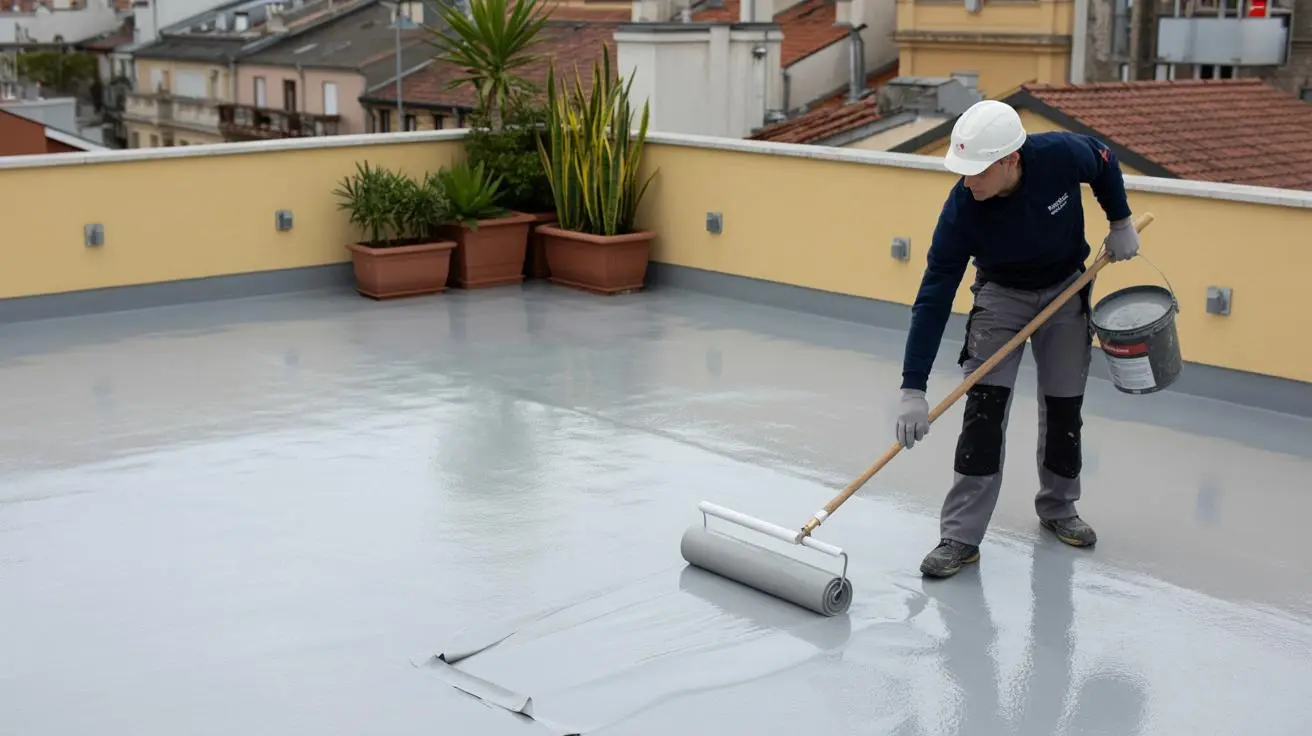
A leaking terrace can become a serious problem for homeowners, especially during the rainy season. Water entering through the roof can damage ceilings, affect interior walls, create damp patches and gradually weaken certain building materials.
Many homeowners notice the problem only after water stains appear on the ceiling or paint starts peeling inside their rooms. However, roof leakage often develops because of issues that begin on the terrace itself.
For homeowners planning terrace waterproofing in Patna, understanding the causes of roof leakage, available waterproofing systems and the importance of proper surface preparation can help prevent recurring problems.
Patna experiences seasonal rainfall, hot summers and changing humidity conditions. These environmental factors make regular roof inspection and suitable waterproofing important parts of home maintenance.
This guide explains how terrace waterproofing works, what methods are available and how to plan a roof protection project.
What Is Terrace Waterproofing?
Terrace waterproofing is the process of protecting a roof or terrace surface against water penetration.
A suitable waterproofing system creates a protective layer or treatment designed to reduce water entering the concrete structure.
Depending on the building and existing surface condition, waterproofing may involve:
- Surface cleaning
- Crack inspection
- Repairing damaged areas
- Treating joints and corners
- Applying suitable waterproofing materials
- Installing protective layers where required
- Improving drainage
The correct treatment depends on the source of leakage, roof construction and condition of the existing surface.
Why Do Terraces Develop Water Leakage?
Terrace leakage can occur for several reasons.
1. Cracks in the concrete surface
Concrete may develop cracks due to shrinkage, temperature changes, structural movement or other factors.
Water can enter through suitable openings and gradually affect the layers below.
2. Poor drainage
A terrace should allow rainwater to move towards designated drainage outlets.
If water remains standing for long periods, it may increase the risk of leakage through weak points.
3. Damaged waterproofing layers
Older waterproofing systems may deteriorate due to exposure, ageing or physical damage.
Once the protective layer becomes compromised, water penetration may occur.
4. Improper joints and corners
Junctions between terrace floors, parapet walls, pipes and other building elements require careful detailing.
Poorly treated joints can become common leakage points.
5. Damaged rainwater outlets
Blocked or damaged outlets may prevent proper water drainage.
Regular cleaning and inspection are important.
Signs That Your Terrace Needs Waterproofing
Homeowners should inspect their roofs periodically.
Watch for:
- Water stains on ceilings below the terrace
- Damp patches near upper walls
- Peeling interior paint
- Cracks in the terrace surface
- Standing water after rainfall
- Damaged coating
- Water entering near pipe connections
- Moisture around parapet walls
These signs indicate that further inspection may be necessary.
Not every damp patch originates from the terrace. Plumbing leakage and other sources should also be considered.
Different Terrace Waterproofing Methods
There are several waterproofing systems available for residential roofs.
The correct choice depends on the surface, exposure, expected movement and condition of the existing construction.
1. Liquid Waterproofing Membrane
Liquid waterproofing systems are applied to prepared surfaces to form a continuous protective layer.
Depending on the product, they may be suitable for concrete terraces, balconies and selected roof applications.
Important considerations include:
- Surface preparation
- Primer requirements
- Application thickness
- Number of coats
- Reinforcement at joints
- Drying and curing
- UV exposure suitability
Always select a product specifically designed for the intended application.
2. Cementitious Waterproofing
Cementitious waterproofing products are commonly used in selected construction and repair applications.
They are generally applied as a coating over properly prepared mineral surfaces.
Their suitability depends on the particular product and whether the system is designed for the intended exposure.
3. APP or Bituminous Membrane
Bituminous membrane systems are used in certain roof waterproofing applications.
They can provide a continuous waterproofing layer when correctly installed.
Installation may require specialised equipment and experienced applicators.
The suitability of the system depends on roof design, substrate condition and protective requirements.
4. Polyurethane Waterproofing
Certain polyurethane waterproofing systems are designed to provide flexible protective membranes.
They may be useful in applications where the system needs to accommodate some movement.
Product compatibility, moisture conditions and exposure requirements must be checked carefully.
5. Protective Waterproofing Coatings
Some specialised coatings are designed to provide additional protection to suitable roof surfaces.
Their properties vary considerably.
A coating should not be selected simply because it is marketed as waterproof. Its intended use, application requirements and performance specifications should be reviewed.
Step-by-Step Terrace Waterproofing Process
A successful waterproofing project requires more than applying a coating.
Step 1: Inspect the terrace
The terrace should be examined for cracks, damaged areas, standing water and possible leakage points.
Step 2: Identify the source of water entry
The inspection should consider roof joints, drainage outlets, parapet walls and pipe connections.
Step 3: Clean the surface
Dust, loose coatings, dirt and other unsuitable material should be removed.
Step 4: Repair damaged areas
Cracks and damaged portions should be repaired using compatible materials.
The repair method depends on the nature of the defect.
Step 5: Prepare joints and corners
Corners, pipe penetrations and other vulnerable junctions may require additional detailing.
Step 6: Apply the waterproofing system
The selected material should be applied according to the manufacturer's instructions.
Step 7: Allow proper curing
The system must be allowed to dry or cure for the recommended period.
Step 8: Inspect the completed work
The completed surface should be checked for coverage, continuity and visible defects.
Where appropriate, a controlled water test may be performed using a suitable method.
Why Terrace Drainage Is Important
Waterproofing and drainage work together.
Even a suitable waterproofing system may perform poorly if water continuously accumulates on the roof.
Check:
- Drainage outlet condition
- Roof slope
- Blockages
- Rainwater pipes
- Parapet drainage details
- Areas where water collects
If water remains standing after rain, the cause should be investigated.
Best Time for Terrace Waterproofing in Patna
The terrace should generally be treated when the surface can be prepared and the waterproofing product can be applied under suitable weather conditions.
Before scheduling the project, consider:
- Rain forecast
- Surface dryness
- Temperature
- Humidity
- Product application requirements
- Required curing period
The period before the monsoon can be a useful time to inspect the roof and plan repairs.
However, the actual application schedule should follow product-specific recommendations.
Common Terrace Waterproofing Mistakes
Applying waterproofing over dirt
Contamination can affect adhesion.
Ignoring existing cracks
Cracks should be assessed and repaired appropriately.
Covering blocked drainage outlets
Drainage points must remain functional.
Using unsuitable materials
Not every waterproofing coating is suitable for every roof.
Rushing the curing process
Premature exposure to water may affect performance.
Ignoring parapet junctions
Water can enter through poorly treated roof-to-wall connections.
Terrace Waterproofing Cost Factors in Patna
The cost of terrace waterproofing depends on the actual condition and size of the roof.
Important factors include:
- Total terrace area
- Existing waterproofing condition
- Crack repairs
- Surface preparation
- Waterproofing material
- Number of application layers
- Drainage improvements
- Accessibility
- Labour requirements
A site inspection is more useful than relying on a generic per-square-foot estimate.
Protect Your Home with PaintGen
Terrace leakage should be addressed before interior repainting begins.
PaintGen provides waterproofing and home painting services in Patna.
The appropriate solution depends on the leakage source, roof condition and required treatment.
If you notice ceiling stains, recurring dampness or water entering from the roof, arrange an inspection before repainting the affected rooms.
A properly planned terrace waterproofing project can help protect your home and reduce the likelihood of recurring water damage.
Questions people ask
When should terrace waterproofing be done?
Terrace waterproofing should ideally be planned when weather conditions allow proper surface preparation, application and curing. Inspecting the roof before the monsoon can help identify problems early.
Which waterproofing method is best for a concrete terrace?
Liquid membranes, cementitious systems, bituminous membranes and polyurethane systems may be suitable for different applications. The best choice depends on roof condition, exposure and product specifications.
Can waterproofing stop ceiling leakage?
It can help when the terrace is the actual source of water entry and the correct waterproofing system is installed. Plumbing leaks and other moisture sources require separate treatment.
Can I waterproof my terrace without removing the existing tiles?
Some systems may be applied over suitable existing tiled surfaces, but the tiles, joints, adhesion and moisture condition must first be inspected. Not every tiled terrace is suitable for this approach.
Last updated 25 November 2026.