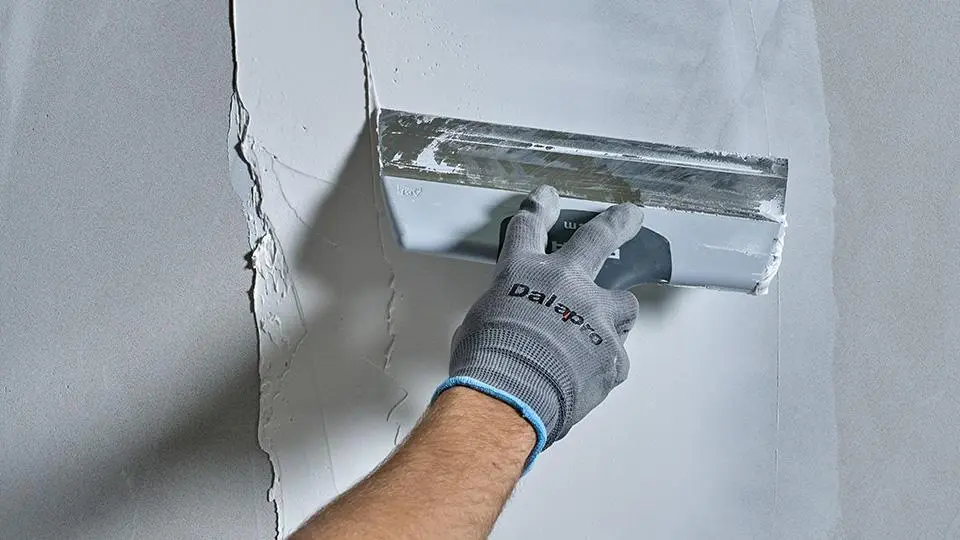
A freshly painted wall can improve the appearance of any home, but visible cracks can quickly affect the overall finish.
Many homeowners notice small cracks appearing on walls after a period of use. Some may look like thin surface lines, while others can be wider, deeper or associated with dampness and other signs of damage.
Simply applying another coat of paint over these cracks is rarely a suitable solution.
The wall should first be inspected to understand the type of crack and whether it is a cosmetic surface defect or a sign of a more serious problem.
Proper wall crack repair before painting helps create a better-prepared surface and reduces the risk of visible defects appearing through the new coating.
This guide explains common causes of wall cracks, different crack types, suitable repair approaches and the preparation required before repainting.
WHY SHOULD WALL CRACKS BE REPAIRED BEFORE PAINTING?
Paint is a finishing layer. It is not intended to repair every type of wall defect.
When paint is applied over an untreated crack, the damaged area may remain visible.
In some cases, the crack may continue to develop and affect the new coating.
Repairing suitable surface cracks before painting can help:
- Create a more even surface.
- Reduce visible imperfections.
- Improve the appearance of the final coating.
- Prepare repaired areas for primer.
- Support a more consistent painting finish.
However, repairs should only begin after the nature of the crack has been assessed.
- COMMON CAUSES OF WALL CRACKS
Wall cracks can develop for different reasons.
Some are related to normal material movement, while others may indicate moisture problems or structural concerns.
Plaster shrinkage
Plaster and other finishing materials can develop shrinkage cracks as they dry.
Temperature changes
Materials may expand and contract as temperatures change.
Building movement
Movement within building elements can sometimes result in cracking.
Poor surface preparation
Inadequate preparation or unsuitable application conditions can contribute to coating and surface defects.
Moisture-related damage
Water penetration may weaken plaster and contribute to deterioration.
Poor-quality previous repairs
Unsuitable repair materials or inadequate preparation can cause defects to reappear.
The appearance of a crack alone does not establish its exact cause.
- DIFFERENT TYPES OF WALL CRACKS
Understanding the appearance of a crack can help determine what further inspection is needed.
Hairline cracks
These are very fine cracks that may appear in plaster or finishing materials.
They can sometimes be associated with surface shrinkage.
Vertical cracks
Vertical cracks may develop due to different forms of movement or material stress.
Their location, width and pattern should be assessed.
Horizontal cracks
Horizontal cracks may have different causes and should not automatically be treated as ordinary cosmetic defects.
Diagonal cracks
Diagonal cracks may appear near corners, doors and windows.
Their pattern and progression can be important when assessing the wall.
Cracks with peeling paint
These may be associated with moisture, poor adhesion or deterioration of the underlying surface.
Wide or growing cracks
Cracks that are widening, recurring or accompanied by other damage require professional assessment before cosmetic repair.
- HOW TO IDENTIFY WHETHER A WALL CRACK IS COSMETIC OR SERIOUS
Not every crack indicates a structural problem, but homeowners should avoid assuming that every crack is harmless.
Look for warning signs such as:
- Cracks that are becoming wider.
- Cracks that repeatedly return after repair.
- Diagonal cracks around openings.
- Cracks extending across multiple surfaces.
- Doors or windows that suddenly become difficult to operate.
- Uneven floors or visible displacement.
- Cracks accompanied by water penetration.
If these signs are present, seek assessment from a qualified building or structural professional.
Do not cover potentially serious cracks with putty and paint.
- HOW TO REPAIR SMALL HAIRLINE WALL CRACKS
Small, stable surface cracks may be suitable for cosmetic repair.
The process depends on the wall material and repair product.
Step 1: Inspect the crack
Check its width, depth and surrounding surface condition.
Step 2: Clean the area
Remove dust and loose particles.
Step 3: Prepare the crack
Use the repair product manufacturer's recommended preparation method.
Step 4: Apply suitable filler
Fill the defect using a compatible wall repair material.
Step 5: Allow drying
Follow the manufacturer's drying instructions.
Step 6: Sand if required
Smooth the repaired area using suitable abrasive materials.
Step 7: Remove dust
Clean the surface before applying primer.
Step 8: Repaint
Apply a compatible primer and finishing paint.
This process is suitable only when the crack has been identified as a stable surface defect.
- WHAT MATERIALS ARE USED FOR WALL CRACK REPAIR?
Different defects require different repair materials.
Wall filler
Suitable fillers may be used for minor surface imperfections.
Repair mortar
Certain plaster or masonry defects may require an appropriate repair mortar.
Joint compounds
These may be suitable for particular plasterboard joint and surface repairs.
Crack repair compounds
Some products are designed for specific crack repair applications.
Flexible sealants
Certain joints or gaps may require compatible flexible materials rather than rigid filler.
The correct choice depends on the crack type, substrate and expected movement.
Do not use ordinary wall putty as a universal solution for every crack.
- HOW TO PREPARE WALLS BEFORE REPAINTING
Once repairs have been completed, the wall should be prepared for painting.
A typical process includes:
Cleaning
Remove dust, dirt and loose material.
Removing unstable paint
Prepare peeling or poorly bonded coatings appropriately.
Repairing defects
Complete the required filling and surface repairs.
Sanding
Smooth repaired areas where necessary.
Primer application
Use a compatible primer according to the selected coating system.
Final inspection
Check the surface for visible imperfections before applying finishing paint.
The surface should meet the paint manufacturer's requirements for dryness and cleanliness.
- WHY DOES WALL PUTTY MATTER BEFORE PAINTING?
Wall putty is commonly used to create a smoother finishing surface on suitable walls.
It can help address minor surface irregularities.
However, putty should not be confused with structural crack repair.
Its application depends on:
- Existing plaster condition.
- Surface porosity.
- Paint system.
- Manufacturer recommendations.
- Required finish.
Applying putty over unstable or damp plaster may not provide a suitable result.
First address the underlying defect.
- HOW TO PREVENT WALL CRACKS FROM REAPPEARING
The possibility of recurring cracks depends on their underlying cause.
For cosmetic defects, suitable preparation and compatible repair materials may help.
For other cracks, additional investigation may be necessary.
Useful practices include:
- Inspecting recurring cracks.
- Addressing moisture problems.
- Using compatible repair materials.
- Following recommended drying times.
- Avoiding unsuitable repair products.
- Preparing surfaces correctly.
- Seeking professional assessment when warning signs are present.
No cosmetic painting method can guarantee that a crack caused by continuing structural movement will not return.
- COMMON WALL CRACK REPAIR MISTAKES
Painting directly over cracks
This does not correct the underlying defect.
Ignoring widening cracks
Changes in crack size should be investigated.
Using the wrong filler
Repair materials must suit the substrate and crack type.
Skipping drying time
Repair materials should dry according to manufacturer instructions.
Applying excessive putty
Unnecessary layers can create additional surface problems.
Ignoring dampness
Moisture problems should be addressed before painting.
Skipping final inspection
Check repaired sections before applying the finishing coat.
- WALL CRACK REPAIR COST FACTORS
Repair costs depend on the nature and extent of the damage.
Factors include:
- Number of cracks.
- Crack width and depth.
- Surface material.
- Accessibility.
- Required repair material.
- Extent of plaster damage.
- Need for specialist assessment.
- Repainting area.
A few minor surface defects require a different approach from extensive plaster deterioration.
For accurate estimation, inspect the damaged areas before preparing a quotation.
- WALL CRACK REPAIR BEFORE PAINTING IN PATNA
Homeowners in Patna planning to repaint their houses should inspect walls for cracks before selecting paint colours.
Pay particular attention to:
- Corners of rooms.
- Areas around doors and windows.
- Exterior plaster.
- Ceiling and wall junctions.
- Previously repaired surfaces.
- Areas with visible moisture damage.
Some defects may require ordinary surface preparation, while others need specialist assessment.
Avoid covering cracks simply to make the wall look smooth temporarily.
PaintGen provides painting and home improvement solutions for residential properties.
Visit https://www.paintgen.in/ to explore available services and discuss your wall preparation and painting requirements.
FINAL THOUGHTS
Wall crack repair is an important step in preparing damaged surfaces for repainting.
Before applying new paint, identify the crack type, inspect the surrounding area and select an appropriate repair method.
Small stable surface defects may be suitable for cosmetic filling, while widening or recurring cracks require further assessment.
A properly inspected and prepared wall provides a better starting point for a fresh painting project.
Questions people ask
Should wall cracks be repaired before painting?
Yes. Suitable wall cracks and surface defects should be assessed and repaired before repainting. Applying paint directly over an untreated crack may leave the defect visible.
Can wall putty fill all types of cracks?
No. Wall putty is generally intended for suitable surface imperfections. Deeper cracks, moving joints and structural defects may require different repair materials or professional assessment.
Why do wall cracks appear again after painting?
Cracks may return when their underlying cause has not been resolved. Building movement, moisture problems, material shrinkage or unsuitable previous repairs can contribute to recurring defects.
Can I paint over a hairline crack?
A stable hairline crack should generally be inspected and repaired with a suitable product before repainting. The correct treatment depends on its cause and the wall material.
Last updated 18 November 2026.