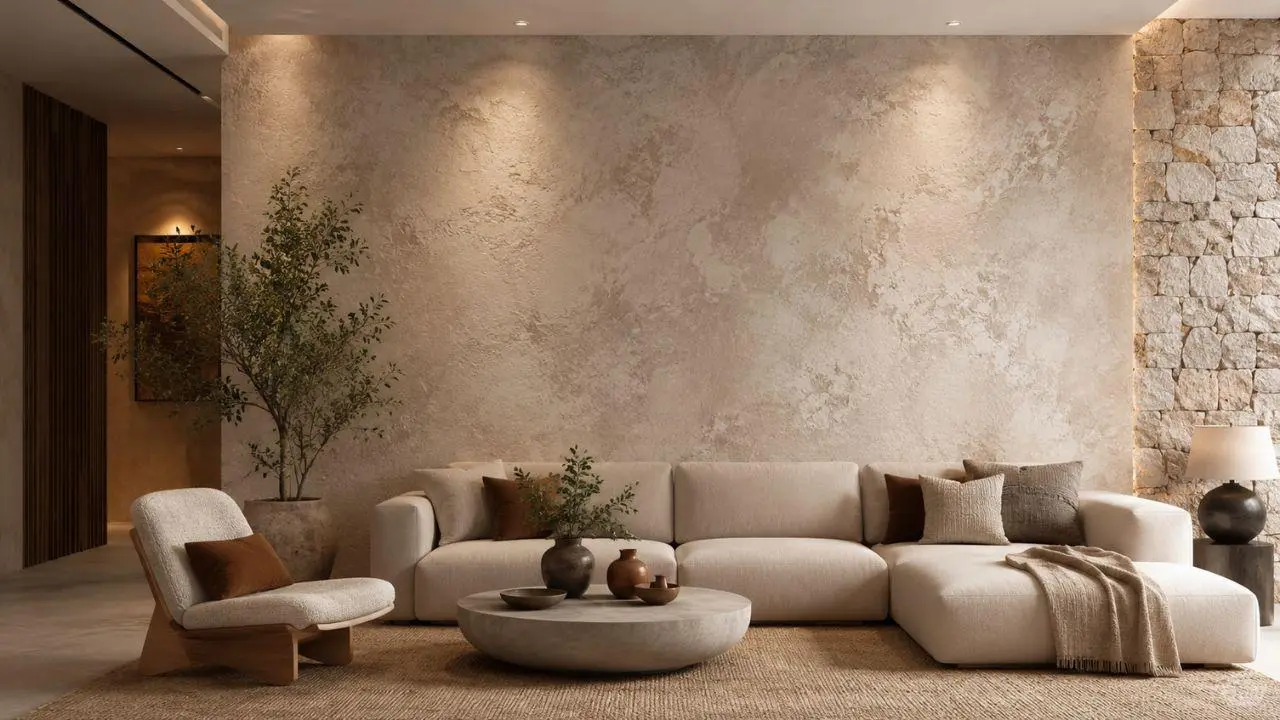
Plain painted walls can create a clean and elegant appearance, but decorative wall textures offer homeowners another way to add personality to their interiors.
Wall textures can introduce depth, visual interest and a distinctive design element without requiring major structural changes.
From subtle finishes that complement minimalist interiors to bold decorative surfaces that become the focal point of a room, textured walls can suit a wide range of home styles.
If you are planning interior renovation or wall decoration in Patna, this guide will help you understand popular wall texture ideas, where they can be used and what to consider before choosing a texture finish.
What Is Wall Texture?
Wall texture is a decorative finish applied to a wall to create a particular visual or tactile effect.
Unlike a standard smooth painted wall, textured walls may feature patterns, raised surfaces, subtle movement or variations in appearance.
Wall textures can be created using different materials, tools and application techniques.
The final appearance depends on the texture material, application method, colour, lighting and wall condition.
Why Choose Textured Walls?
Decorative wall textures can help:
- Add depth to interiors
- Create a focal point
- Introduce visual interest
- Complement furniture and décor
- Create a contemporary or traditional look
- Highlight selected architectural features
Texture can be used selectively rather than throughout the entire home.
1. Subtle Sand Texture
Sand texture creates a lightly textured surface with a subtle decorative appearance.
It may work well in interiors where homeowners want something different from a completely smooth wall without creating a very bold design.
Suitable areas
- Living rooms
- Bedrooms
- Hallways
- Selected feature walls
Subtle textures can complement neutral colours and simple furniture.
2. Metallic Texture
Metallic textures may create reflective effects depending on the material and application.
They can be used to introduce a decorative element into selected spaces.
Suitable areas
- Feature walls
- Decorative niches
- Selected living room walls
- Reception areas
Metallic finishes should be used carefully because excessive reflection may affect the overall appearance of the room.
3. Concrete-Look Texture
Concrete-look finishes are popular in contemporary interiors.
They create an industrial or modern appearance and may work well with wood, metal and neutral furniture.
Suitable areas
- Living rooms
- Home offices
- Modern apartments
- Commercial interiors
Concrete-look finishes can vary from smooth and subtle to more pronounced decorative patterns.
4. Rustic Texture
Rustic textures create an earthy and natural appearance.
They may be suitable for interiors that use warm colours, natural materials and traditional decorative elements.
Suitable areas
- Dining areas
- Living rooms
- Farmhouse-style interiors
- Decorative feature walls
The colour selection can significantly influence the final appearance.
5. Patterned Texture
Patterned textures can introduce geometric, linear or decorative designs.
These finishes may be created using special tools, application techniques or decorative materials.
Suitable areas
- Feature walls
- Living rooms
- Bedrooms
- Decorative spaces
Pattern selection should consider the size of the wall and the furniture arrangement.
6. Texture for Living Rooms
The living room is often one of the most suitable areas for a decorative wall texture.
A textured wall behind the sofa or television may create a focal point.
Before selecting a texture, consider:
- Wall size
- Furniture arrangement
- Lighting
- Colour scheme
- Room style
- Maintenance requirements
A subtle texture may work better in a small living room, while larger spaces may accommodate more pronounced designs.
7. Texture for Bedrooms
Bedroom textures should generally complement the room's relaxing atmosphere.
A decorative finish behind the bed may create a focal point without making the entire room visually busy.
Consider:
- Soft colours
- Subtle patterns
- Warm lighting
- Furniture placement
- The overall interior style
The texture should support the bedroom design rather than overpower it.
8. Texture for Small Rooms
Small rooms require careful consideration when selecting decorative finishes.
Strong patterns or highly reflective surfaces may feel visually overwhelming in some spaces.
For smaller rooms, consider:
- Subtle texture
- Lighter colours
- Smaller patterns
- Limited decorative areas
- Balanced lighting
A single textured wall may be sufficient to add interest.
9. Choosing the Right Texture Colour
The texture material and colour work together to create the final appearance.
Popular decorative colour choices include:
Beige and cream
These shades create a warm and neutral appearance.
Grey
Grey textures can complement modern furniture and contemporary interiors.
Earthy brown
Earthy colours may create a natural and rustic appearance.
Blue and green
These colours can introduce a distinctive decorative element when used carefully.
Metallic accents
Metallic finishes may add a decorative effect to selected surfaces.
Colour samples should be viewed under the actual lighting conditions of the room.
10. Wall Preparation Before Texture Application
The condition of the wall is important before applying decorative finishes.
Preparation may involve:
- Cleaning the wall
- Removing loose paint
- Repairing cracks
- Filling imperfections
- Sanding uneven areas
- Applying suitable primer
Dampness should be investigated before applying decorative wall finishes.
A textured finish cannot replace proper wall repair.
11. Why Professional Texture Application Matters
Decorative wall textures often require specialised tools and application techniques.
The final result may depend on:
- Surface preparation
- Material selection
- Application method
- Pattern consistency
- Drying conditions
- Colour
- Lighting
Professional application may help achieve a more consistent decorative result.
Before starting, homeowners should review the texture design and understand how it will look on the selected wall.
12. Wall Texture Maintenance
The maintenance requirements of textured walls depend on the material and surface design.
Some textures may collect more dust than smooth surfaces.
Homeowners should consider:
- Cleaning requirements
- Accessibility
- Room usage
- Surface durability
- Future repainting
The selected decorative finish should be suitable for the location where it will be applied.
Wall Texture Services in Patna
Wall texture can transform a plain wall into a decorative feature.
PaintGen provides wall texture, wallpaper and decorative wall finish services for homes in Patna.
Homeowners can discuss suitable texture designs, colours, wall preparation and application requirements before beginning the project.
Whether you prefer a subtle contemporary finish or a more distinctive decorative wall, selecting the right texture for your space can help create a more personalised interior.
Questions people ask
Which wall texture is best for a living room?
The best texture depends on the room size, lighting, furniture and interior style. Subtle textures are often suitable for contemporary living rooms, while decorative textures can be used for feature walls.
Can wall texture be applied to an existing painted wall?
It may be possible, but the existing surface should be inspected. Loose paint, cracks, uneven surfaces and dampness should be addressed before texture application.
Are textured walls difficult to maintain?
Maintenance depends on the texture design and material. Some textured surfaces may collect more dust than smooth walls and may require specific cleaning methods.
Can wall texture be used in a small bedroom?
Yes. Subtle textures, lighter colours and limited feature areas may work well in smaller bedrooms. The design should be selected according to room size and lighting.
Last updated 23 November 2026.