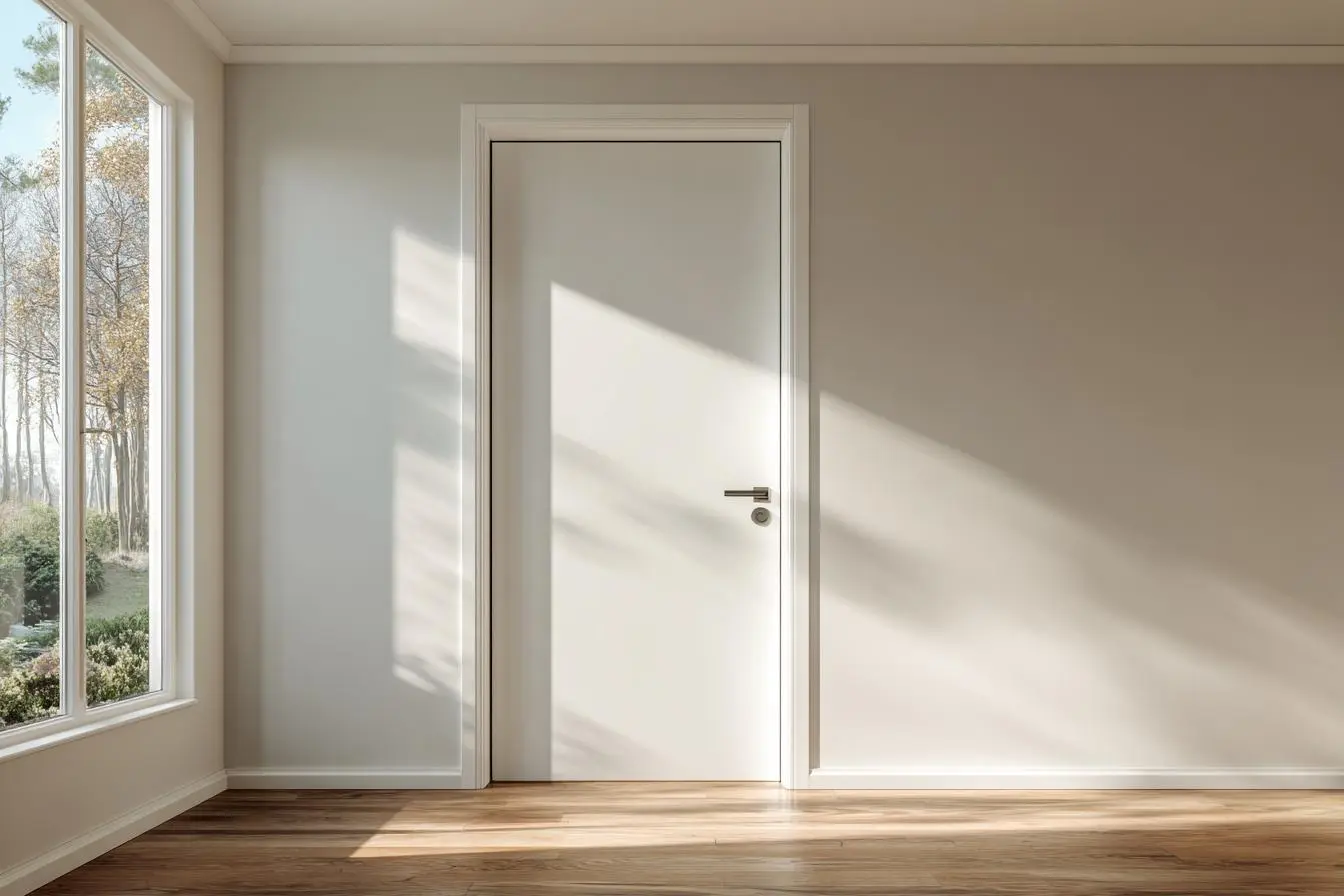
Wooden doors are an important part of a home's interior design. They provide privacy, connect different rooms and contribute to the overall appearance of the property.
However, wooden doors can gradually lose their original appearance due to regular use, dust, scratches, sunlight and everyday contact.
Some homeowners prefer the natural appearance of wood polish, while others choose painted wooden doors to create a modern and coordinated interior.
If you are planning to refresh an old wooden door or change its appearance, understanding the correct painting process is important.
Wooden door painting requires suitable surface preparation, compatible materials and careful application.
This guide explains how to prepare wooden doors, choose paint products, select colours and maintain the finished surface.
WHY SHOULD YOU PAINT WOODEN DOORS?
Painting a wooden door can help refresh its appearance and coordinate it with the surrounding interior.
Some reasons homeowners choose door painting include:
- Refreshing old or faded door surfaces.
- Changing the appearance of an interior.
- Matching doors with wall colours.
- Covering suitable cosmetic imperfections.
- Creating a modern decorative appearance.
- Updating doors during home renovation.
Painting and wood polishing are different finishing approaches.
Paint creates an opaque coating that covers the natural wood appearance, whereas transparent or semi-transparent wood finishes may retain visible grain.
Choose the method according to the desired appearance and condition of the door.
- HOW TO CHOOSE THE RIGHT PAINT FOR WOODEN DOORS
The right paint depends on the type of wood, previous coating, door location and desired finish.
Enamel paint
Suitable enamel products are commonly considered for doors and other compatible surfaces.
They can provide a smooth, durable coating when correctly selected and applied.
Water-based wood paint
Some water-based products are designed for wooden surfaces.
Their suitability depends on the product formulation and manufacturer's recommendations.
Specialist wood coatings
Certain products are designed specifically for interior or exterior wooden applications.
Check whether the product is suitable for the door's exposure conditions.
Primer
A compatible wood primer may be required to prepare the substrate and support the finishing system.
Always check the complete coating system before purchasing materials.
- POPULAR WOODEN DOOR PAINT COLOURS
Colour selection can change the overall appearance of a room.
White
White doors can create a bright and clean appearance.
They work well with many neutral interior palettes.
Off-White
Off-white provides a softer alternative to pure white.
It can coordinate with cream, beige and warm grey walls.
Grey
Grey doors can create a contemporary appearance.
Consider light grey for subtle interiors and darker grey for stronger contrast.
Dark Brown
Dark brown can provide a traditional appearance while maintaining visual warmth.
Black
Black doors can create a bold contemporary feature.
Use them carefully according to room size, lighting and surrounding colours.
Muted Green
Muted green can introduce a subtle decorative element.
It can work with selected neutral and earthy colour schemes.
- HOW TO SELECT A FINISH FOR WOODEN DOORS
The finish influences the appearance of the door.
Matte
A low-reflection finish can create an understated look.
Satin
A soft sheen can create a smooth and balanced appearance.
Semi-Gloss
A more reflective finish may highlight door details.
Gloss
Gloss finishes create a highly reflective surface.
They can highlight imperfections, so preparation is particularly important.
Check the manufacturer's finish descriptions because product terminology can vary.
- INSPECT THE WOODEN DOOR BEFORE PAINTING
Before starting, examine the entire door.
Look for:
- Scratches.
- Cracks.
- Peeling old paint.
- Loose coatings.
- Damaged corners.
- Swollen areas.
- Surface stains.
- Previous repair patches.
Also check whether the door has a transparent polish, enamel coating or another existing finish.
The existing coating affects how the surface should be prepared.
- HOW TO PREPARE A WOODEN DOOR BEFORE PAINTING
Surface preparation is essential for achieving a consistent finish.
Step 1: Remove dust and dirt
Clean the door using a suitable method.
Step 2: Inspect existing paint
Identify loose, damaged or incompatible coatings.
Step 3: Remove unstable material
Carefully remove loose paint where required.
Step 4: Repair suitable surface defects
Use an appropriate wood repair compound for compatible minor defects.
Step 5: Sand the surface
Sand where necessary using suitable abrasive materials.
Step 6: Remove dust
Clean the surface before applying primer.
Step 7: Apply suitable primer
Select a primer compatible with the wood and finishing paint.
Important: Older doors may have coatings that require specialist assessment before sanding or scraping. Use appropriate safety precautions.
- HOW TO PAINT A WOODEN DOOR STEP BY STEP
Once the surface is ready, follow the recommended painting process.
Step 1: Protect the surrounding area
Cover floors, nearby walls and hardware.
Step 2: Prepare the door
Remove or protect handles, locks and other fittings where appropriate.
Step 3: Apply primer
Use the compatible primer according to product instructions.
Step 4: Allow drying
Follow the recommended drying interval.
Step 5: Apply the first paint coat
Use suitable brushes or rollers according to the door design.
Step 6: Complete detailed sections
Pay attention to corners, edges and decorative panels.
Step 7: Apply subsequent coats
Follow the manufacturer's recommended recoating interval.
Step 8: Inspect the finish
Check for uneven coverage, missed sections and visible application marks.
Step 9: Reinstall hardware
Only after the coating is sufficiently ready for handling.
- SHOULD YOU PAINT THE DOOR WITHOUT REMOVING IT?
Both approaches are possible depending on the door and project requirements.
Painting a door in position
This may be suitable for certain smaller repainting projects.
However, careful masking and access arrangements are important.
Removing the door
Removing the door may provide better access to edges and difficult sections.
It may also make detailed preparation easier.
The best approach depends on the door's weight, fitting system, condition and work scope.
- HOW TO PAINT DOOR FRAMES AND EDGES
Door frames should coordinate with the door itself.
Possible approaches include:
- Matching door and frame colours.
- White frames with darker doors.
- Neutral frames with painted feature doors.
- Coordinated colours across multiple rooms.
Prepare the frame separately and use a coating suitable for its material.
Check the edges carefully because repeated contact can affect the finish.
- COMMON WOODEN DOOR PAINTING MISTAKES
Painting over loose old paint
Unstable coatings should be removed.
Skipping surface cleaning
Dust and grease can affect the final result.
Using unsuitable paint
Choose products specifically suitable for the substrate.
Applying excessive paint
Thick coats can produce uneven surfaces.
Ignoring drying intervals
Follow the recommended time between coats.
Using the wrong preparation method
The existing finish should be inspected before sanding or applying primer.
Painting damaged or swollen wood without assessment
Resolve the underlying problem before finishing the surface.
- HOW TO MAINTAIN PAINTED WOODEN DOORS
After painting, maintain the door according to the coating manufacturer's instructions.
Useful practices include:
- Remove dust regularly.
- Clean suitable surfaces gently.
- Avoid abrasive cleaning materials.
- Prevent prolonged water exposure.
- Address scratches promptly.
- Check edges for coating damage.
- Avoid excessive impact.
- Inspect doors periodically.
Use cleaning products that are compatible with the selected coating.
- WHEN SHOULD YOU CHOOSE PAINTING INSTEAD OF WOOD POLISHING?
Painting and polishing serve different design purposes.
Choose painting when:
- You want an opaque colour.
- You prefer white or grey doors.
- You want to coordinate doors with modern interiors.
- The natural grain does not need to remain visible.
Consider wood polishing when:
- You want to preserve visible wood grain.
- You prefer a natural wooden appearance.
- The wood surface is suitable for a transparent or semi-transparent finish.
The condition of the existing door should also influence the decision.
- WOODEN DOOR PAINTING FOR HOMES IN PATNA
Homeowners in Patna renovating apartments and independent houses may consider repainting wooden doors as part of a larger interior painting project.
Coordinating door colours with wall paint, flooring and furniture can create a more consistent interior.
Before beginning, inspect the existing coating and select suitable materials for the wooden surface.
PaintGen offers painting and home improvement solutions for residential properties.
Visit https://www.paintgen.in/ to explore available services and discuss your home improvement requirements.
FINAL THOUGHTS
Wooden door painting can refresh the appearance of an older door and help coordinate it with the rest of your home.
The process begins with inspecting the existing coating, preparing the surface and selecting compatible paint products.
Choose colours and finishes according to your interior design preferences and the door's condition.
With proper preparation and application, a wooden door can become an attractive part of your home's interior.
Questions people ask
Which paint is best for wooden doors?
Suitable enamel paints and specialist wood coatings can be considered for wooden doors. The correct choice depends on the wood type, existing coating, door location and desired finish.
Can I paint over an already polished wooden door?
It may be possible, but the existing polish must be assessed first. Appropriate surface preparation and a compatible primer or coating system may be necessary.
Which colour is best for wooden interior doors?
White, off-white, grey, black and dark brown are popular options. Choose a shade that complements the walls, flooring and furniture.
Should wooden doors be painted or polished?
Painting provides an opaque colour, while wood polishing can retain the natural appearance of the wood grain. Choose according to the door's condition and your preferred interior design.
Last updated 16 November 2026.